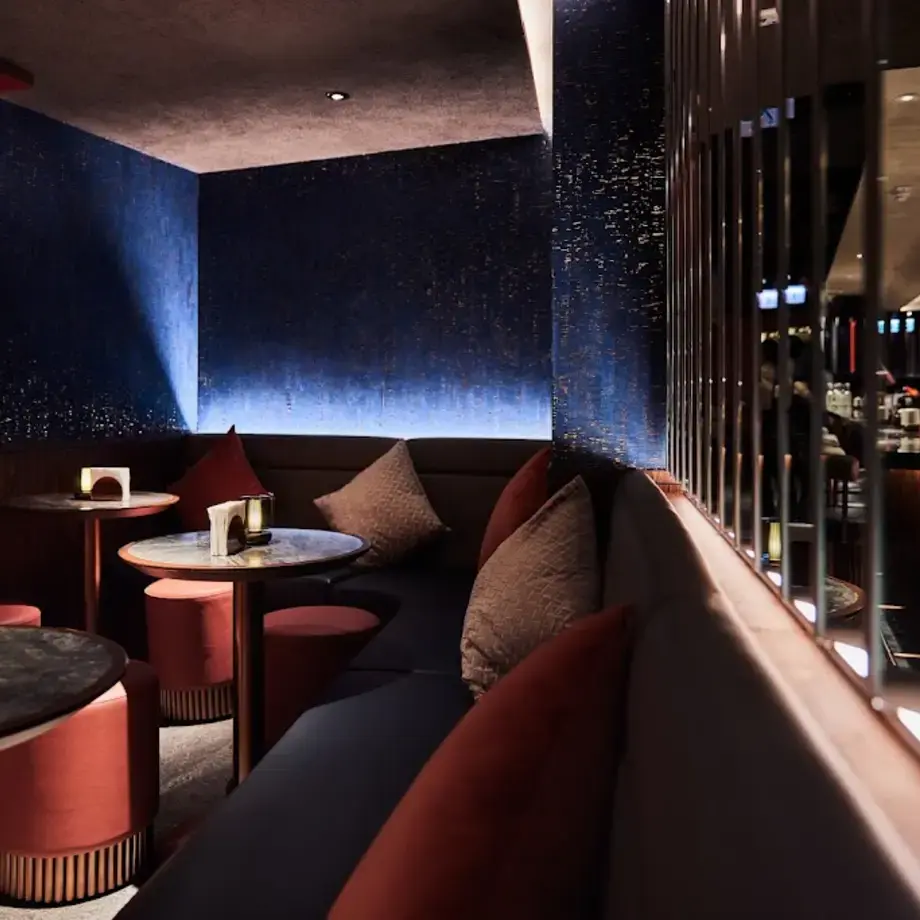
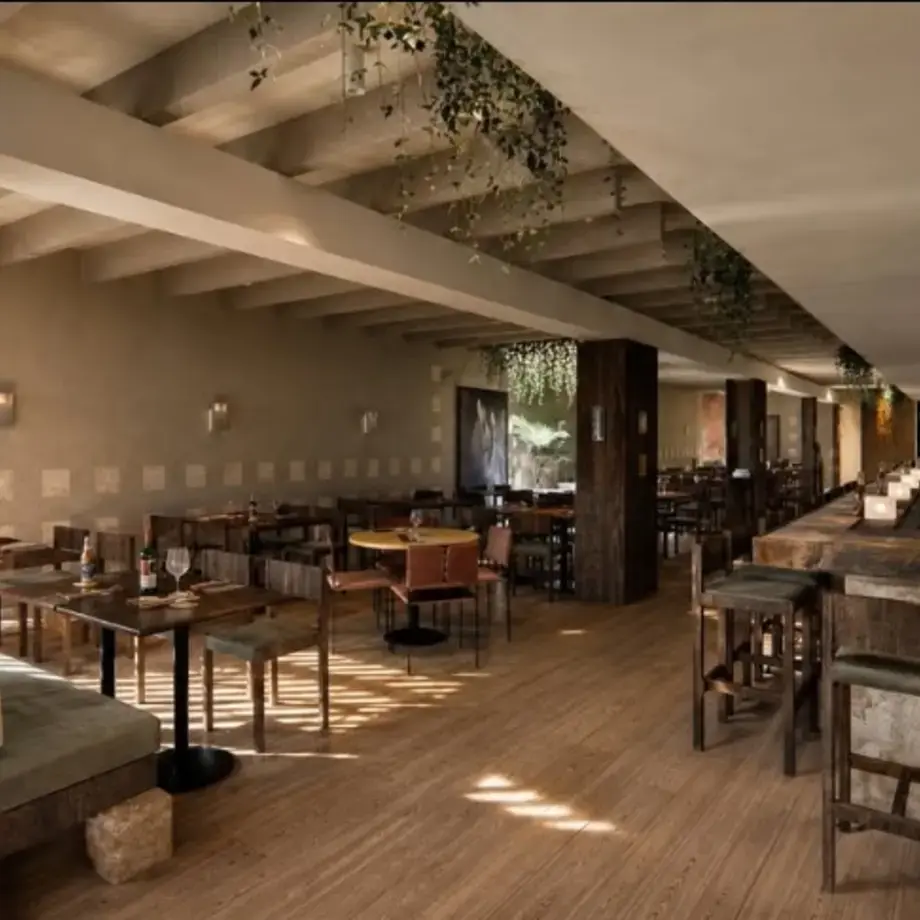
The conceit of Louise is that you are not entering a restaurant, but are instead a guest in the home of its eponymous host. Situated within a two-storey heritage building in Hong Kong, the entire space has been imagined as the elegant residence of a worldly French woman. This story unfolds across rooms filled with eclectic art, botanical wallpapers, and richly textured furnishings, creating the impression of a private house layered with meaning and memories over time. This detailed fantasy informs every aspect of a visit, from the intimate parlours to the light-infused dining room upstairs. The food is a natural extension of this personal logic, rooted in the traditions of French home cooking. This is not a kitchen concerned with radical reinvention, but with an affection for heritage recipes, reimagined with contemporary refinement. The culinary outlook centres on sourcing exceptional produce—from local yellow chickens to specific varieties of French vegetables—and applying techniques that bring a precise, modern clarity to dishes fundamentally about comfort and warmth. The result is a style of cooking that feels both honest and sophisticated. A number of dishes have come to define this approach, becoming signatures of the house. The whole-roasted Hong Kong yellow chicken, carved tableside and served with rice enriched by the cooking juices, is perhaps the most celebrated example. It is a taste of rustic France, elevated through great care and technique. Another creation that has long captured diners’ attention is a delicate angel hair pasta, prepared simply with Kristal caviar, black truffle, and kombu, a study in luxurious restraint. These are plates that speak of generosity rather than formality. This sensibility extends throughout the colonial-style building, which holds a distinction from the Michelin Guide. The ground floor offers a more relaxed expression of this world, with a terrace and lounge for drinks and more casual meals. Upstairs, the main dining room provides a more structured backdrop for lunch and dinner, yet it retains the warmth of a private dwelling. The careful separation of spaces reinforces the idea that one is moving through a home, not a commercial venue, creating a self-contained and compelling world for its guests.