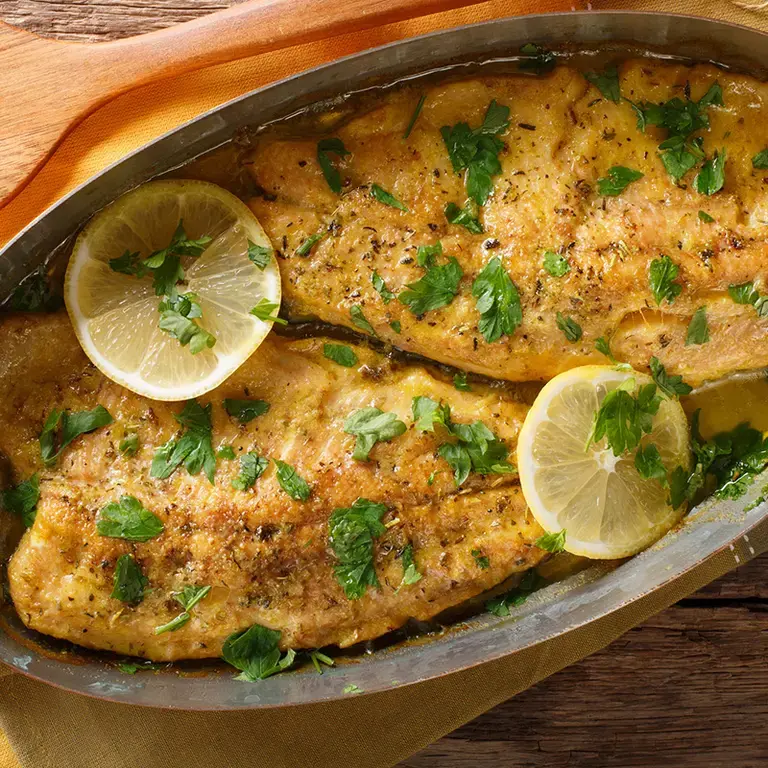

As outlined in the barramundi recipe above, it’s best to pat the fillets dry before cooking, as this helps the surface to roast rather than steam in the oven. It’s a naturally moist fish, so it doesn’t need much added olive oil or butter to retain its moisture during cooking.
The fish should be opaque and just beginning to flake in the centre when it’s ready. A few slices of lemon, garlic and herbs infuse flavour without overpowering the gentle notes of the fish.
What barramundi tastes like and why it works baked
Barramundi is a firm, meaty white fish known for its mild, clean flavour and subtle sweetness. It’s very versatile and can be paired with a variety of flavours, from citrus ingredients to herbs.
Oven-baked barramundi works particularly well as its firm texture holds up during baking, instead of falling apart. Baking also retains the fish’s moisture.
If you don’t want to cook your barramundi in the oven, however, you could try pan-frying it. Take a look at chef Josh Niland’s tips on how to pan-fry fish perfectly every time.
Fillet or whole fish
Fillets are the easiest option when preparing this dish for a midweek meal as they cook quickly and require minimal preparation. However, a whole barramundi makes for a very impressive centrepiece if hosting guests and can be stuffed with a number of seasonings including herbs, lemon, garlic and other aromatics. It will need longer to cook and is better suited to larger gatherings or weekend cooking.
What to serve with baked barramundi
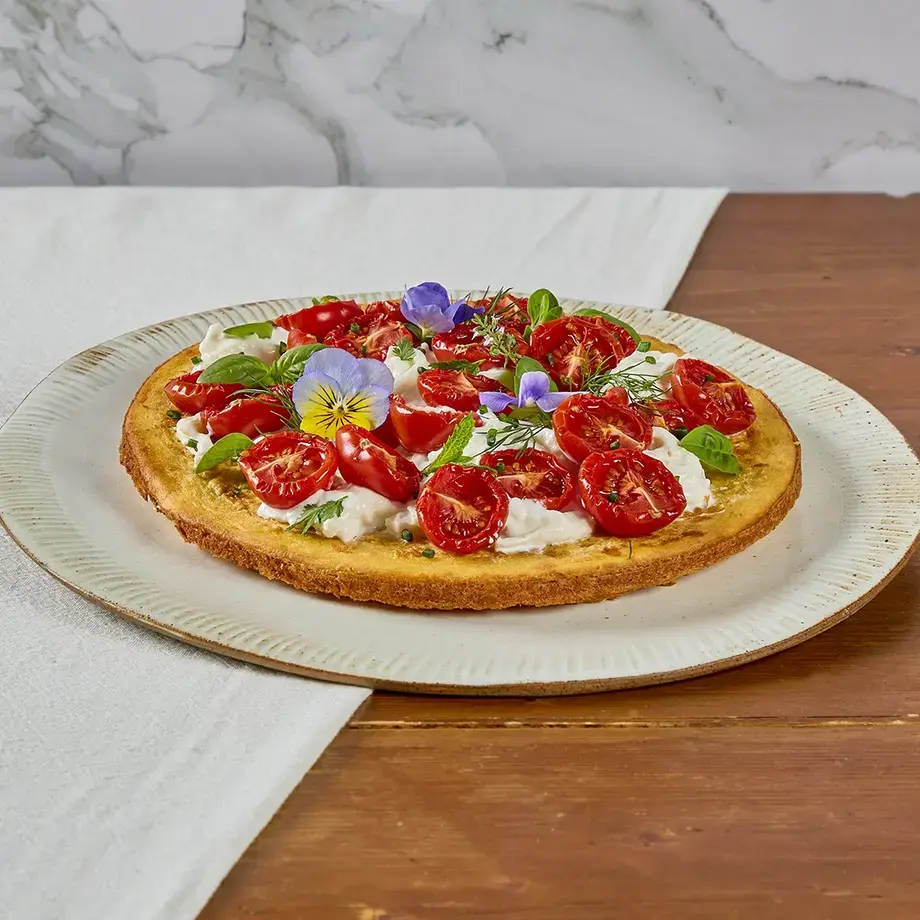
Baked barramundi is particularly good with roasted asparagus, green beans and courgettes. Cherry tomatoes also enhance the sweetness in the fish.
For a heartier side dish, try crisp roast potatoes or a creamy potato salad if serving the fish at a garden summer party. Steamed rice with barramundi is a filling midweek meal.
Barramundi and native Australian flavours
Barramundi is deeply connected to the Indigenous food culture in Australia, particularly in the northern regions. It works well with a variety of Australian native ingredients, which bring distinct character to this baked fish.
Try adding lemon myrtle for its bright, citrusy aroma or finger lime for a contrasting burst of sharp, fresh acidity. Macadamias offer a crunchy texture, and native pepperberry brings a gentle peppery, fruity note.
Whichever ingredients you choose, make sure you add them to the fish in a restrained manner, to ensure the delicate nature of the barramundi remains the focus of the plate. To explore more from the world of Australian cooking, take a look at our article rounding up tips and dishes from Aboriginal chefs, including cooking with Australian bush tucker.