Sorry, you need to enable JavaScript to visit this website.

SPYCA chefs look to heritage and the ocean for winning inspiration

Discover the biggest trends from the S.Pellegrino Young Chef Academy Competition 2026-27 Pacific Regional Final that we may soon see on our plates
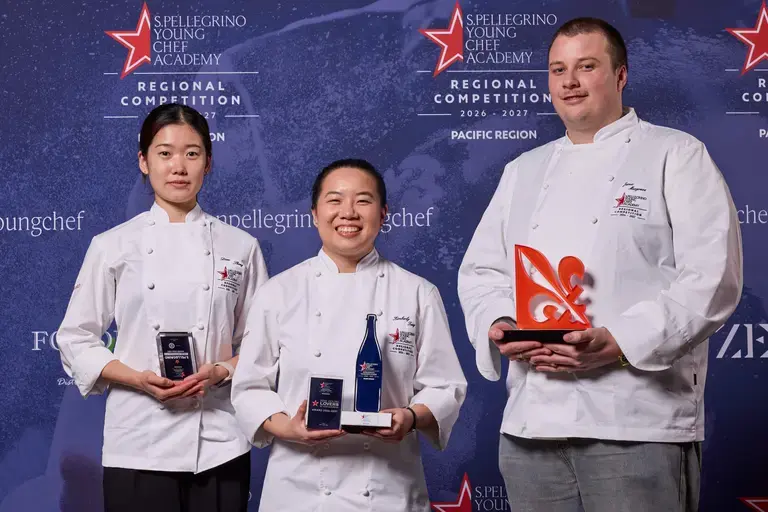
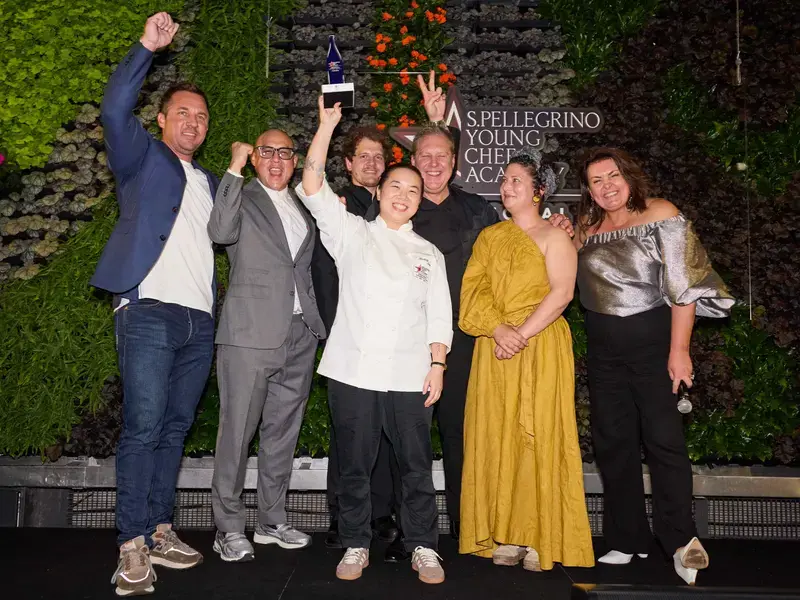
Kimberly Tang celebrating her win with the Pacific Local Jury.

Kimberly Tang celebrating her win with the Local Jury. Left to right: Clinton Mciver, Dan Hong, James Cole Bowen, Kimberly Tang, Ross Lusted, Analiese Gregory and Karen Martini

Emerging trends: a glimpse of the future

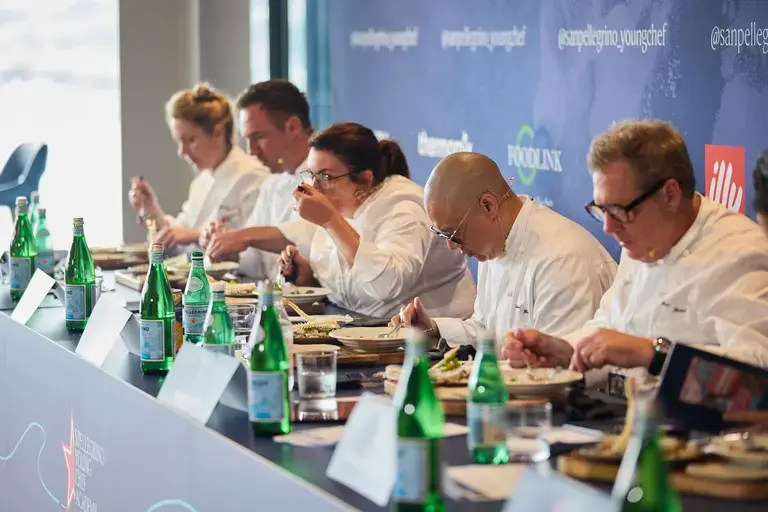
The S.Pellegrino Young Chef Academy Competition is not only a way to celebrate and promote emerging culinary talent. It also offers a glimpse of what diners may be seeing on their plates in the near future, as the young chefs advance in their careers and open restaurants of their own. Here are some of the key trends we saw in Sydney. 

Fusion is cool again

In a multicultural city like Sydney, and with all but one of the finalists being based in Australia, it was no surprise to see the young chefs exploring their heritages and fusing techniques and ideas from across the world with local ingredients, reclaiming once maligned ‘fusion’ cuisine for themselves. 

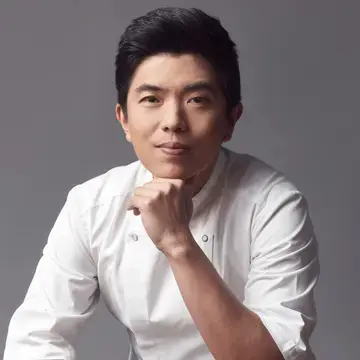
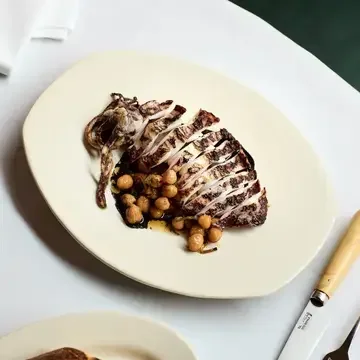
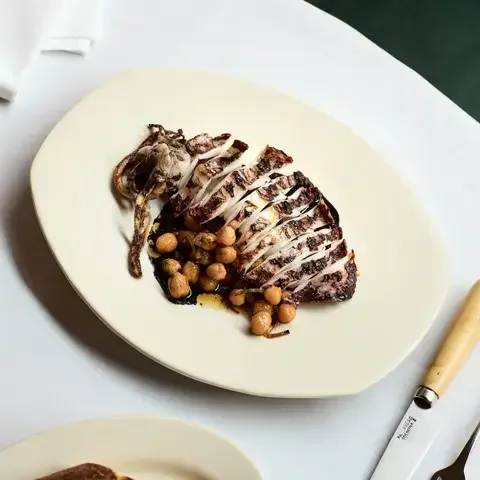
Khathawut Srichanklat’s dish, The Abundance of Australia, showcased Australian squid, his own Thai heritage and Chinese, Vietnamese and Mediterranean ingredients, creating a plate representing Australia itself, “a country of extraordinary abundance, many cultures woven into one, and uniquely, beautifully itself,” said the chef. 

Similarly, Dian Sheng’s dish Tide & Grain, focused on trout and coastal greens, with a rice emulsion, was a way for the chef to express her “Asian background through an Australian landscape.”

To the sea, to the sea

Sustainably caught fish and seafood reigned supreme as the proteins of choice at the Regional Final, with a majority of the dishes leaning pescatarian. New Zealand’s Nic Kearney celebrated lobster and abalone with his signature dish, while Australia-based Indian chef Arinut Sachdeva focused on crispy stuffed squid with prawn mousse, and spiced crab. Sheng’s dish featured a fish-wrapped raviolo. Meanwhile, Jackson Mehlhopt’s dish, Tails from the River, told its own story. 

Eating the whole animal

While the lack of a fully vegan dish for the jurors to try was perhaps indicative of a broader move away from plant-based dining in the gastronomic world, the young chefs were careful to demonstrate whole-animal utilisation. 

Tang, Kearney and Sheng all mentioned their focus on using the whole animal in their manifestos, while Australia-based Nepalese chef Aarush Baba Rijal paired wild boar neck with fermented pumpkin and bitter citrus for his migration-inspired signature dish. Zero-waste techniques could also be seen in Mehlhopt’s dish dedicated to ecological preservation.

Staying humble

Some chefs were keen to demonstrate their ability to adapt humble dishes and preparations to a fine-dining setting, highlighting the thread between tradition and modern gastronomy. 

Ratish Mehrotra used nalli nihari, a “poor man’s” dish from Lucknow, India, that entered royal cuisine as the inspiration for his dish of lamb Wellington with globe artichokes. Originally, the dish would’ve been composed of slow-cooked lamb shanks served with roti. Jacob Aomarere Poole, meanwhile, included an elevated rice congee in his dish of steak with ‘miso soup’, beurre monte and seasonal vegetable tofu tart.

Spread the flavour – share this story

Join the community
Badge
Join us for unlimited access to the very best of Fine Dining Lovers.
Unlock all our articles
Badge
Register now to continue reading and access all our exclusive stories.

Already a member? LOG IN