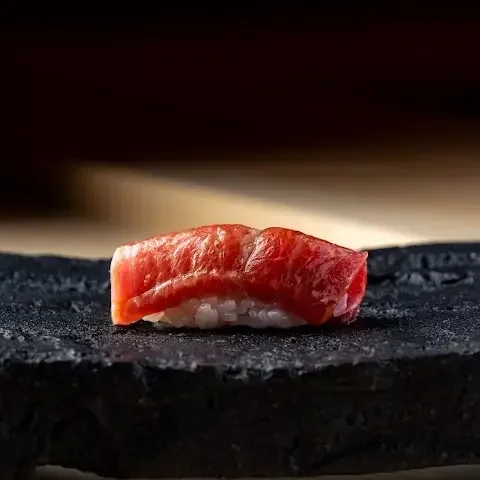
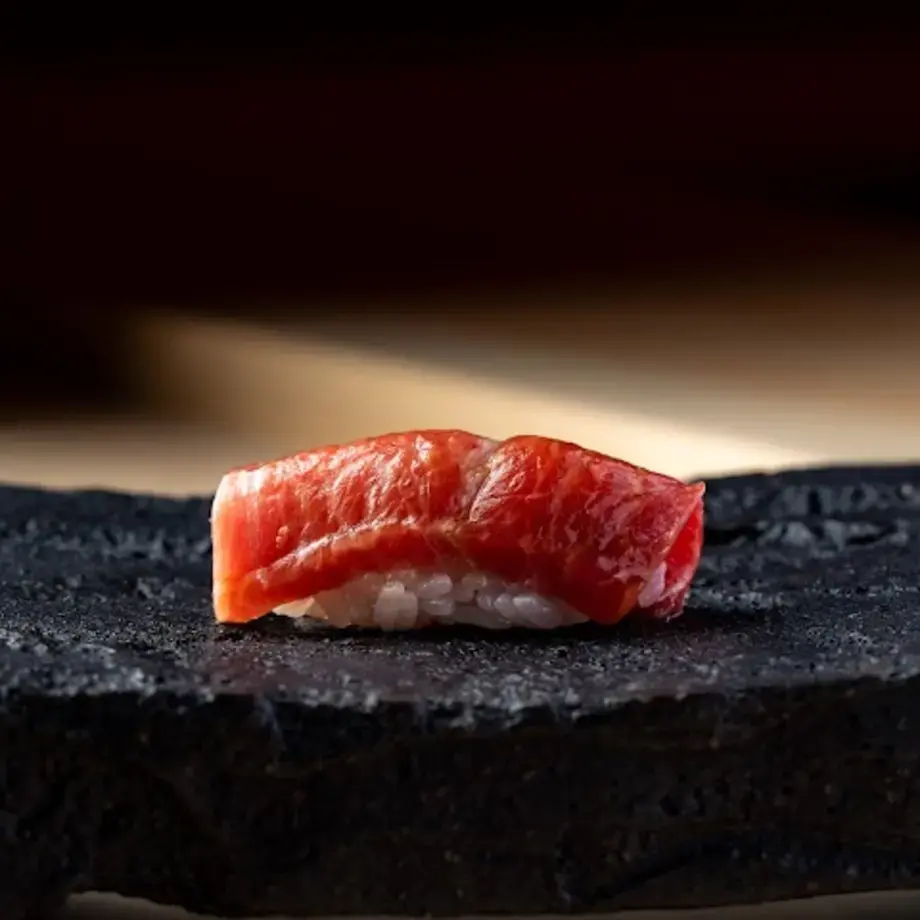
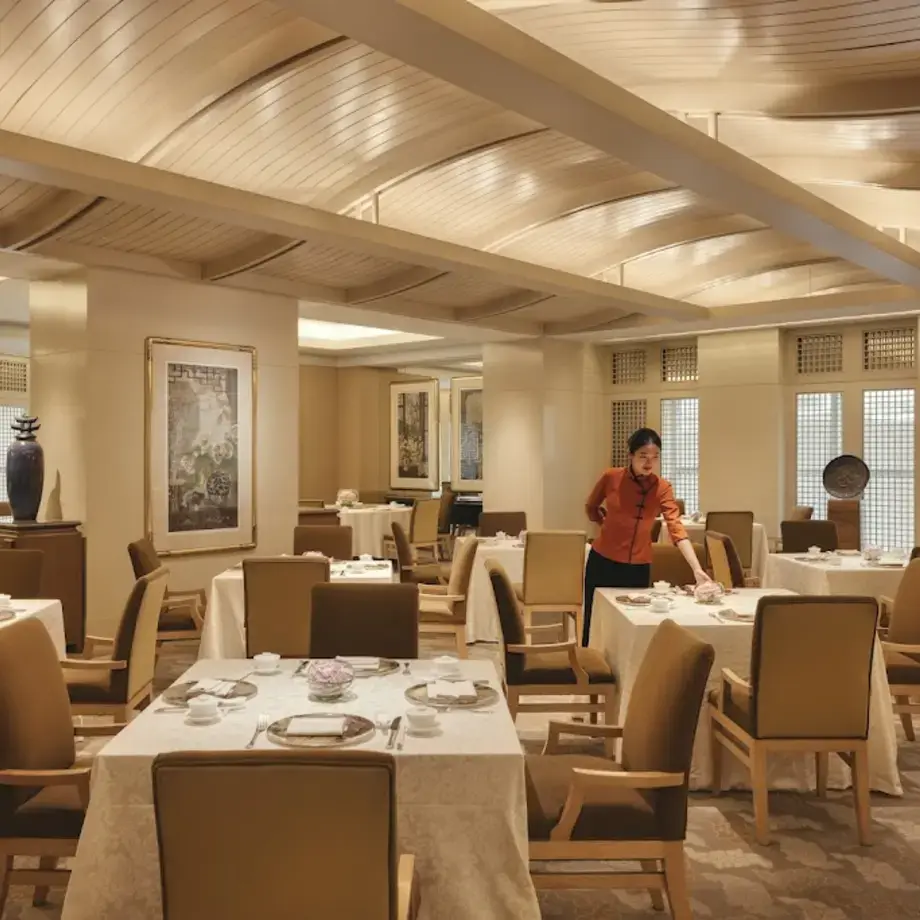
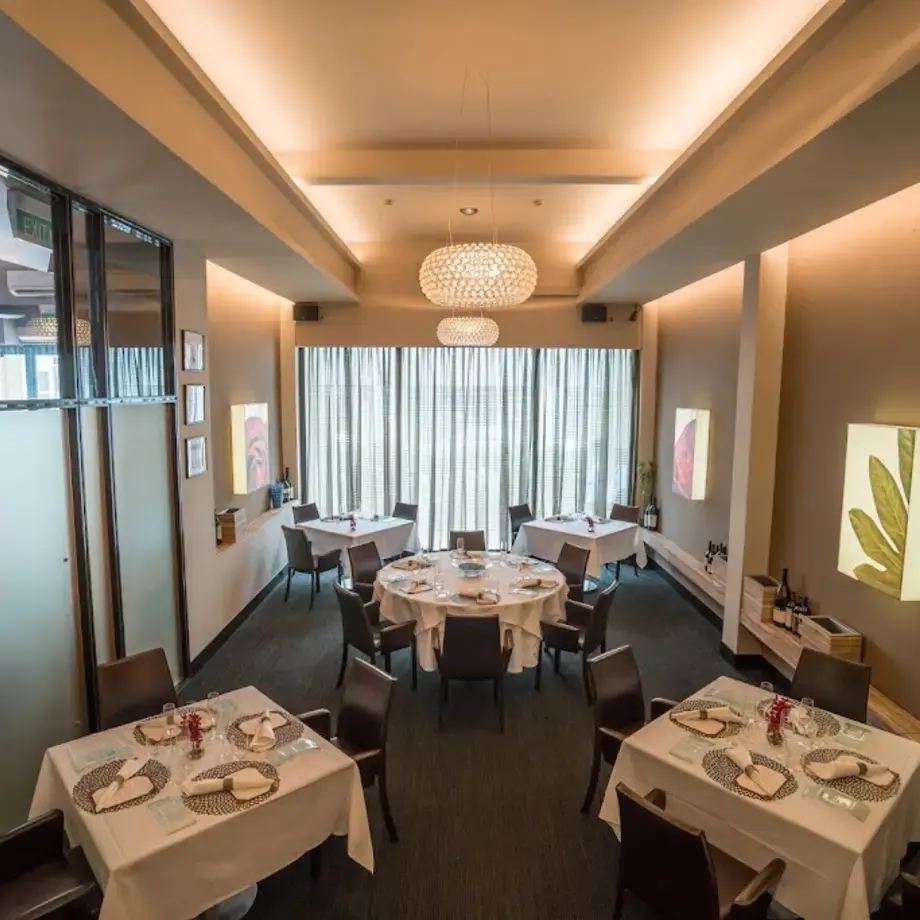
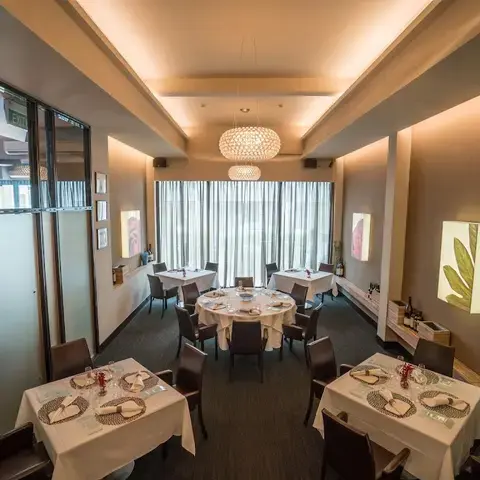
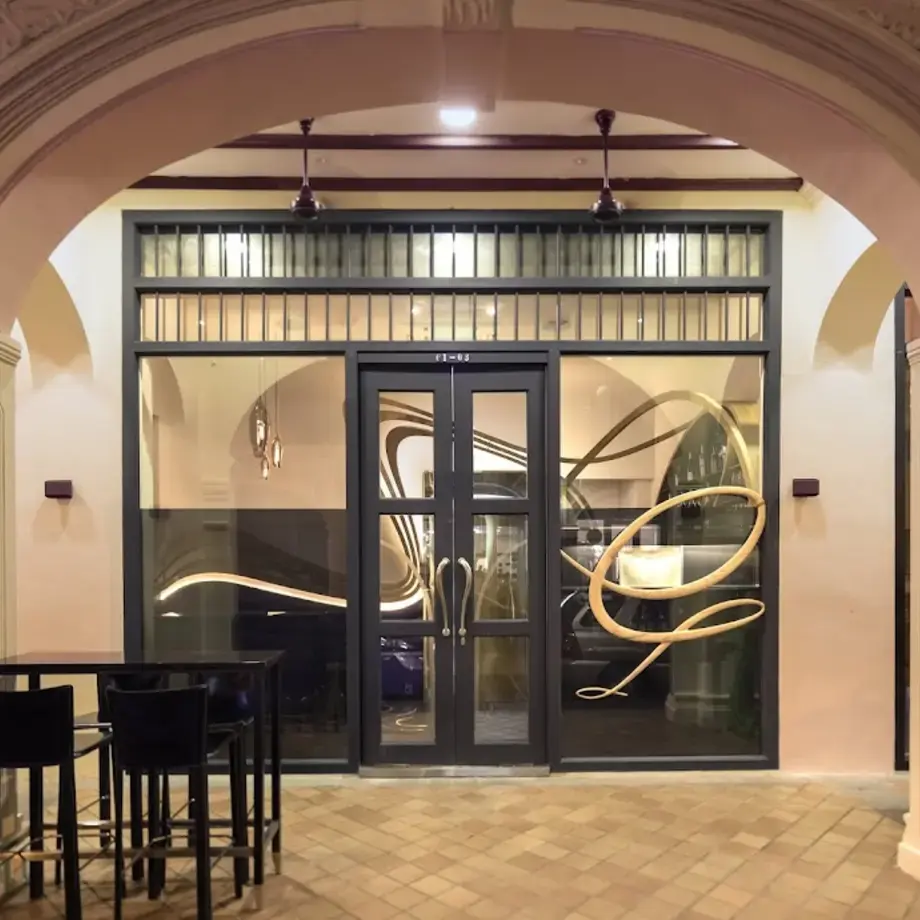
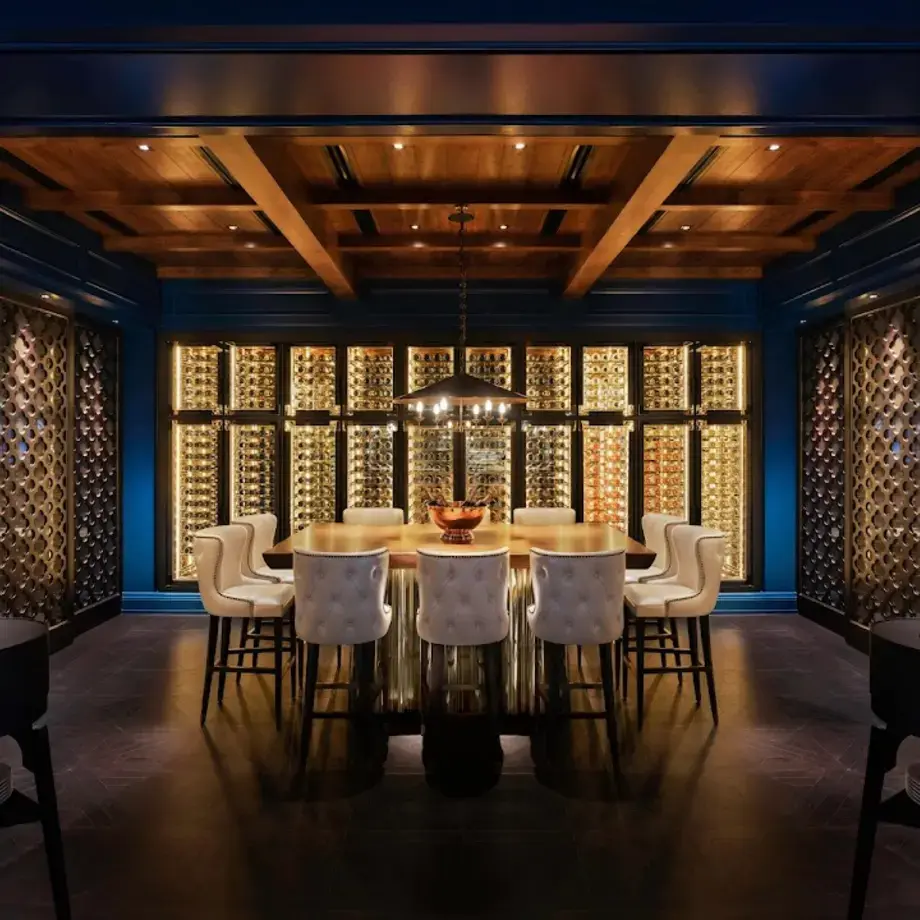
At Sushi Sakuta, the kitchen goes out of its way to keep anything but the food itself out of view, even hiding the sink from the counter seats so nothing distracts from the work at hand. That instinct for concealment runs through the whole restaurant: tucked inside The Capitol Kempinski Hotel in Singapore, it gives little away from outside, letting the cooking do all the talking. The kitchen follows an Edomae style, built around sushi rice made from a precise blend of two Japanese cultivars, steamed in a claypot after a careful soak to achieve a particular texture. Everything on the counter has been considered with the same rigour, down to the hand-thrown ceramics used for each course, crafted by a Sapporo ceramicist. The kitchen has become known for its treatment of kohada, the small, silvery fish prized in Edomae tradition, and for a steamed abalone finished with a sauce made from its own liver and an egg yolk emulsion. A recurring feature of the seasonal offering has been a chawanmushi built around scallop, alongside preparations such as deep-fried belt fish served with caviar. The ten-seat counter, cut from a single cypress tree, sets the tone for a meal built on quiet precision rather than spectacle. There is a private room for smaller gatherings, though most guests sit close enough to watch each piece assembled by hand. Diners move through a procession of courses that shifts between raw, grilled and simmered preparations, with a wine and sake programme curated to match the delicacy of what arrives on the plate, including rare bottlings suited to the restaurant’s upper tier of tasting menus. Recognition from the Michelin Guide has followed, a reflection of the consistency and technical depth evident in a sitting here. For all its restraint, Sushi Sakuta leaves a strong impression: exacting technique, specific ingredients and a disciplined sense of calm combine into something genuinely singular within Singapore’s sushi scene, where quieter rooms rarely command this much attention.