Dim sum is a way of eating that’s deeply embedded into Hong Kong cuisine. Here’s everything you need to know about dim sum, its related rituals and how to order
What dim sum means
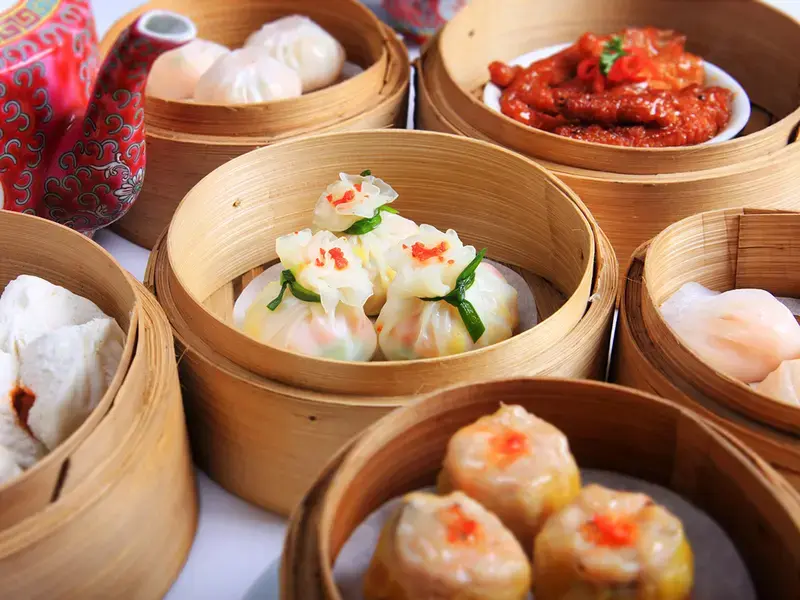
If you’re wondering what dim sum is, it’s a broad category of Cantonese dishes enjoyed alongside tea, encompassing steamed dumplings, rice rolls, buns, pastries, fried snacks and sweets. It’s designed to be shared and the plates are served in small portions.
The dumplings and buns contain a wide variety of ingredients from char siu and prawns to less familiar cuts of meat such as chicken comb.
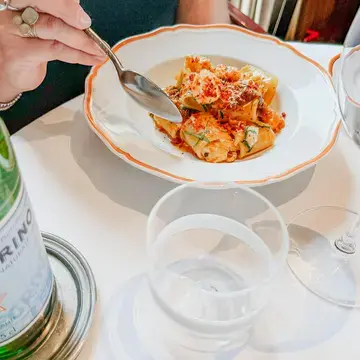
A common misconception is that dim sum simply means dumplings. Dumplings are an important part of dim sum, but the term encompasses much more than that. Dumplings themselves are found in many cuisines around the world, from Polish pierogi to Italian pasta shapes such as ravioli.
Yum cha: drinking tea, eating small
Yum cha literally means ‘drink tea’ in Cantonese. The tea is not simply a refreshment accompanying the food, it’s part of the ritual of enjoying dim sum communally. Diners select a pot of Chinese tea that’s refilled throughout, with pu-erh, jasmine and oolong common choices.
A common courtesy is pouring tea for others before yourself and using a finger tap on the table as a gesture of thanks when a friend refills your cup.
From Silk Road teahouses to Guangzhou
The story of dim sum is connected to teahouses in southern China, which developed as rest places and social spaces for travellers and locals alike. In Guangdong, this evolved into the yum cha ritual of drinking tea with small dishes, and Guangzhou became a major centre for the growth of Cantonese dim sum, emerging from the earlier teahouse tradition. Cantonese emigrant communities subsequently carried yum cha and dim sum traditions around the world.
The steamed classics
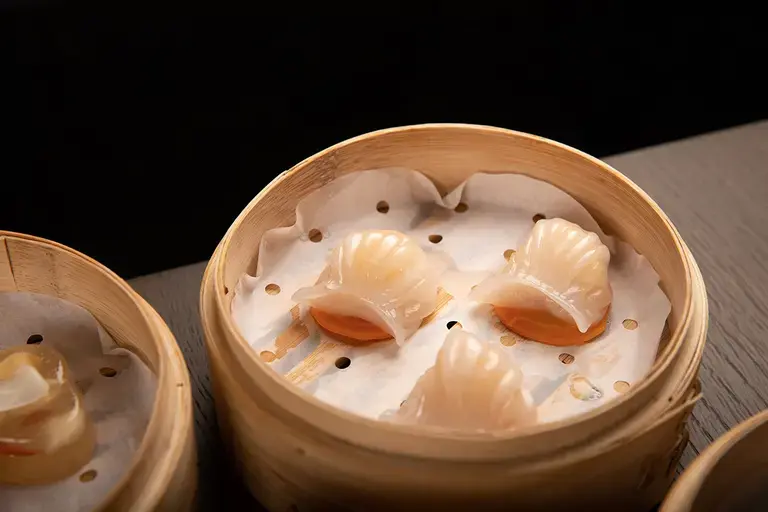
Har gow
Translucent steamed dumplings largely filled with prawns. The wrappers are made from a starch-based wrapper dough that creates a tender, translucent outer casing. Traditionally pleated into a crescent shape and served on small bamboo steamers.
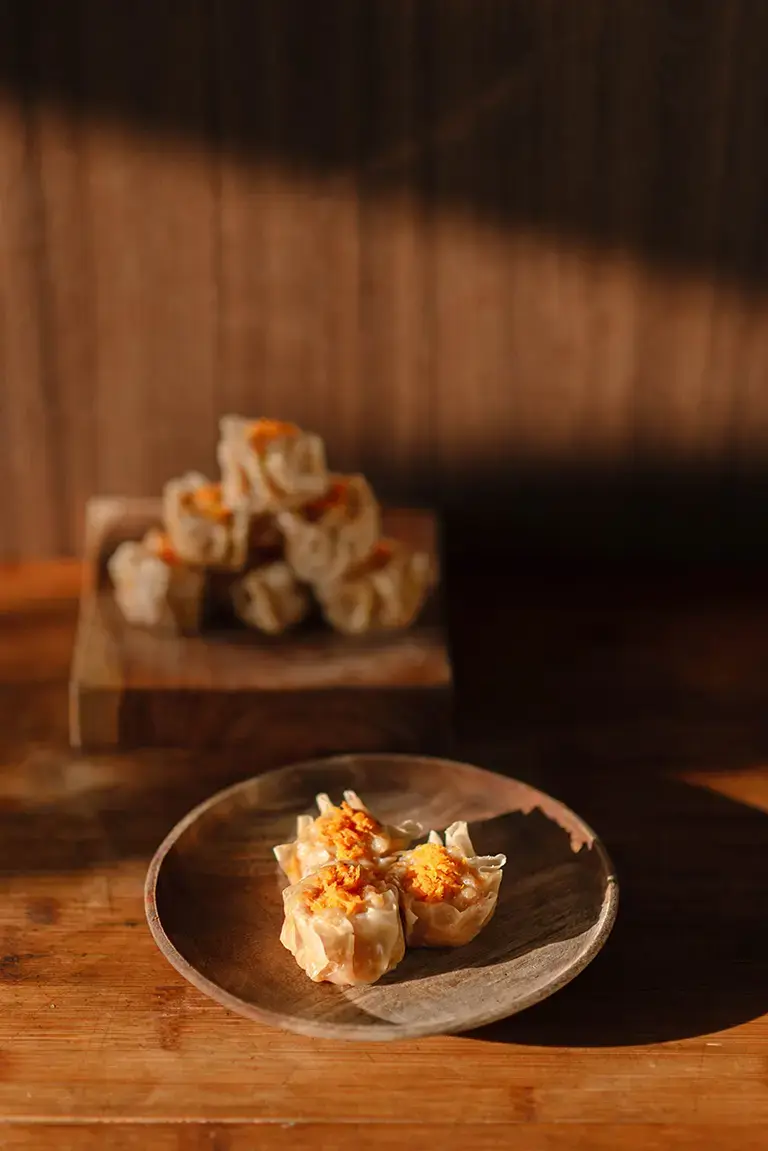
Siu mai
Open-topped steamed dumplings made with pork and prawns, although recipes vary. The top of the filling is exposed and they’re often garnished with fish roe or vegetables. Siu mai is one of the most recognisable dim sum dishes and is served in restaurants around the world.
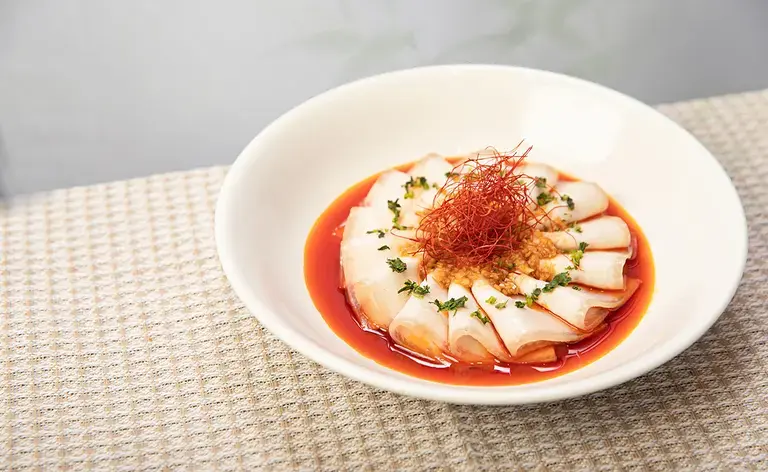
Cheung fun
Silky steamed rice noodle rolls served with a savoury sweetened soy sauce. Filled with prawns, beef, char siu or other savoury ingredients. The batter is steamed into sheets before being rolled to create a soft texture.
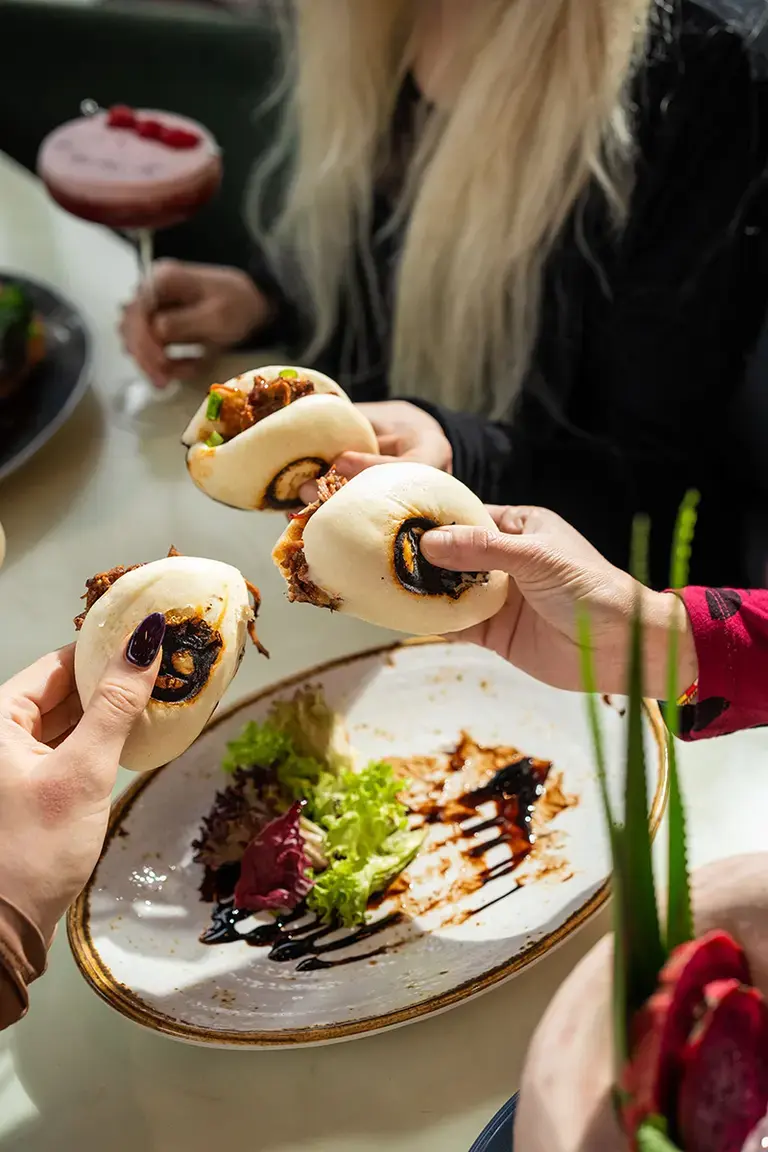
Char siu bao
Fluffy steamed buns filled with Cantonese-style roasted pork. Soft, airy and slightly sweet, they’re often served warm straight to the table in bamboo steamers.