7 places
Where to drink Sato in Bangkok

About the list
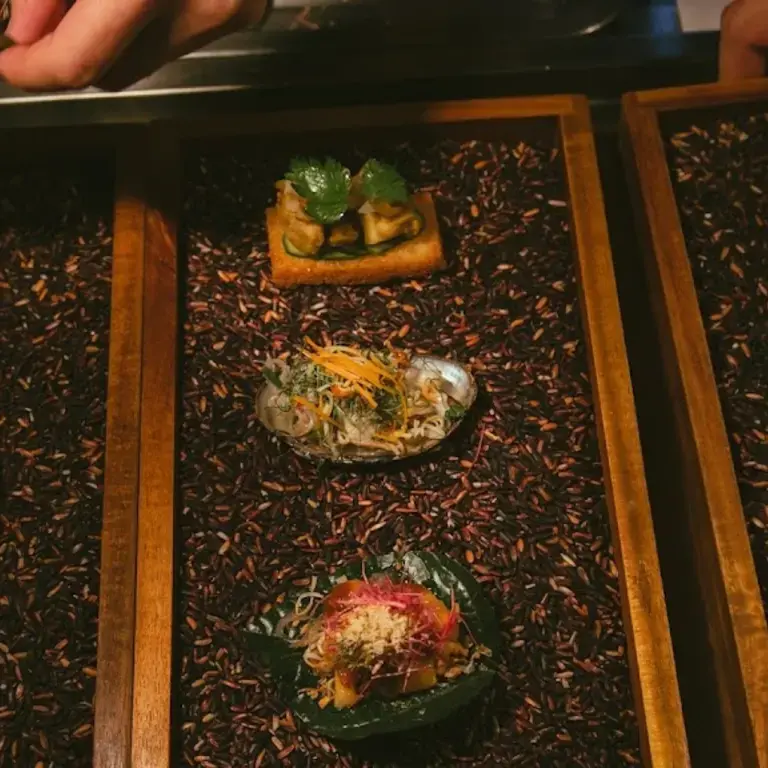
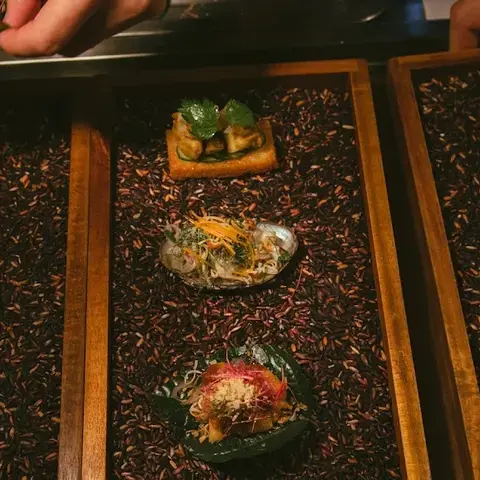
Akkee
In Akkee’s dimly-lit dining room, chef-owner Sittikorn Chantop serves seasonal menus drawn from regional Thai cooking, using mostly traditional methods in a no-frills kitchen. Dishes include fresh termite mushroom salad with grilled river prawns, crab omelette and coconut pancakes topped with pork. A dedicated sato list offers several bottlings from Devanom brewery, from jasmine rice sato with notes of steamed rice and palm sugar to the coconut-scented Luem Pua. There is also a Devanom Akkee label and a limited Red Label 2026 – a fresh, unpasteurised sato with lychee notes.
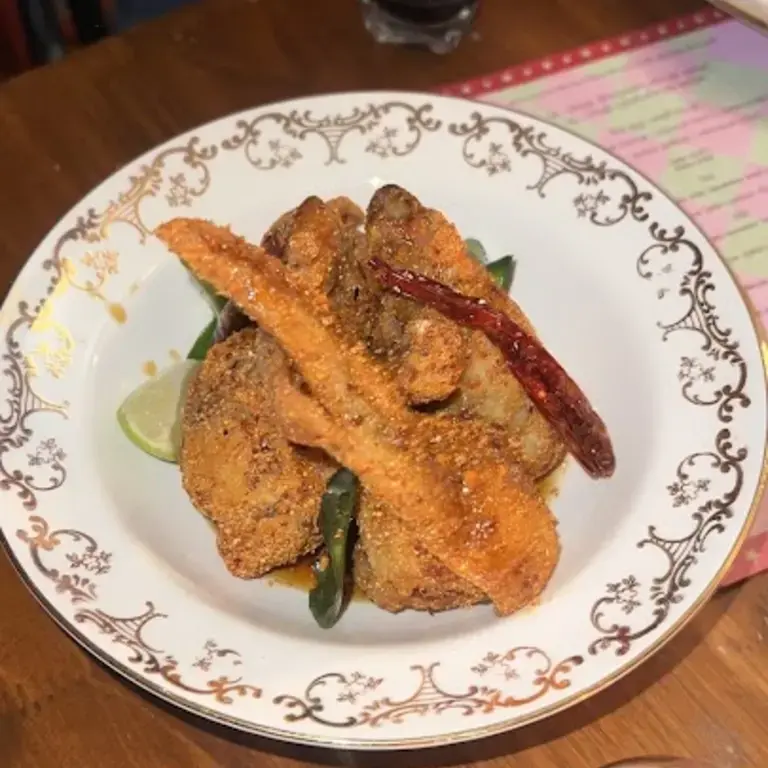
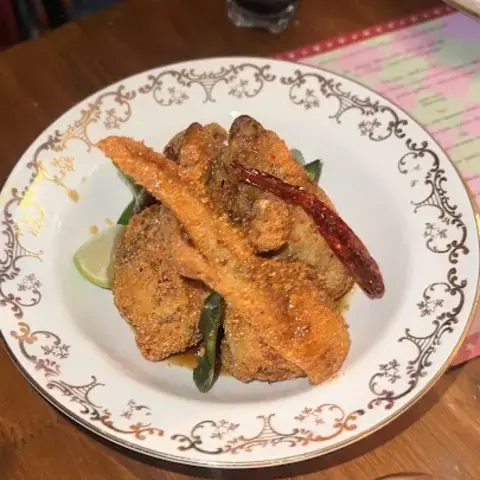
Baan Lamyai
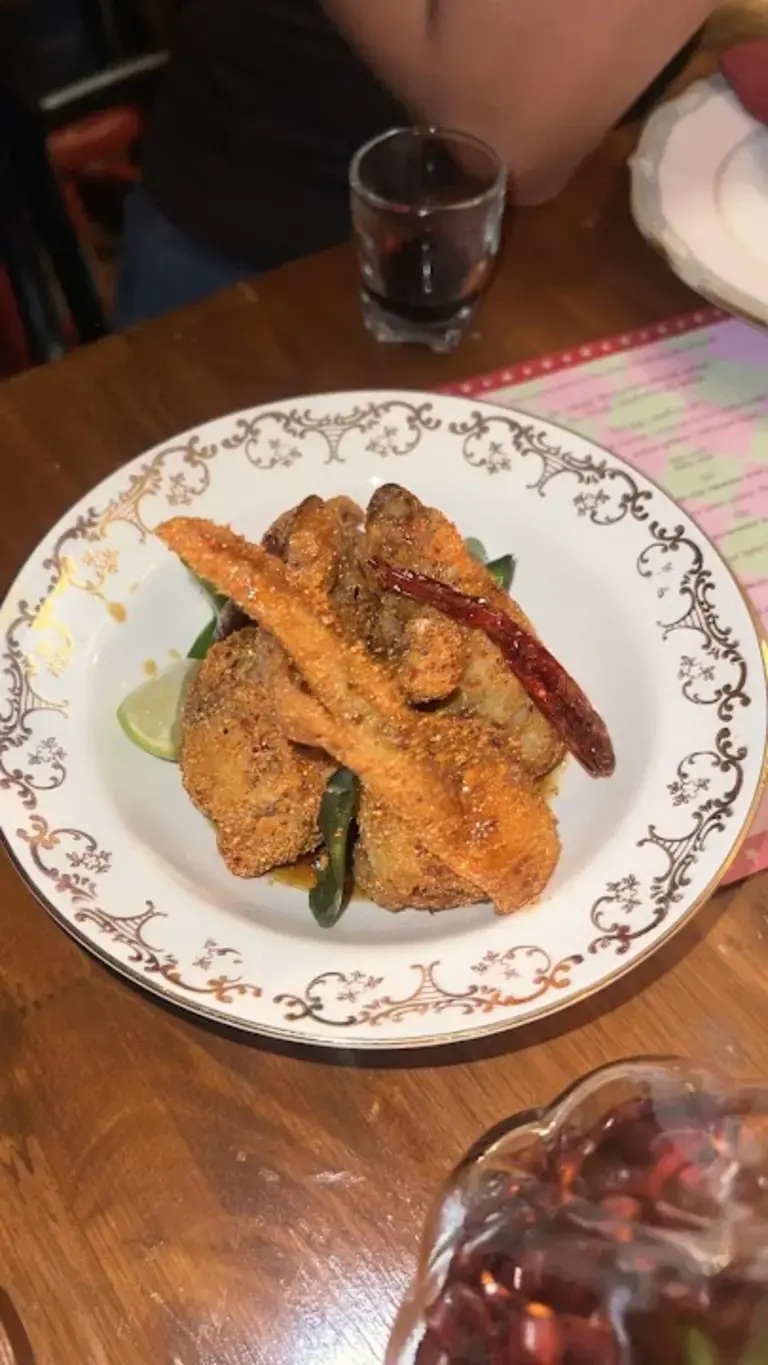
Chef Chalita Uttasart has turned her grandmother’s ground-floor apartment in a residential tower block, where she grew up, into a small restaurant. A handful of counter seats face the kitchen, where she prepares a concise à la carte menu drawn from family recipes: stuffed, deep-fried chicken wings seasoned with northern Thai spices, grilled pork neck with tamarind and sour mango salad, and a Thai-Javanese goat curry with longans and coconut turmeric rice. Ingredients come from small Thai farmers and local makers, while a drinks list devoted to sato includes bottles from the likes of Devanom.
Electric Sheep
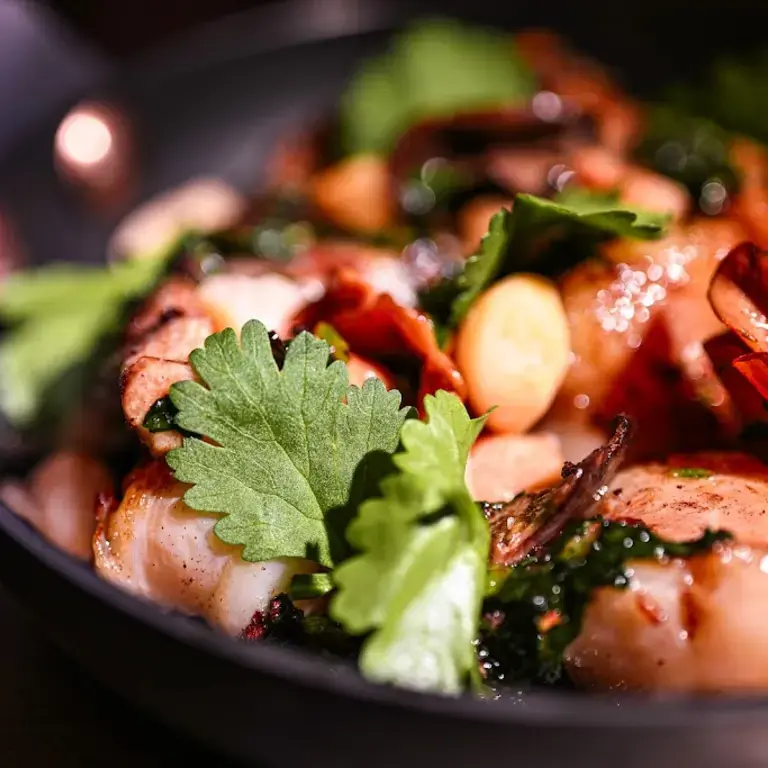
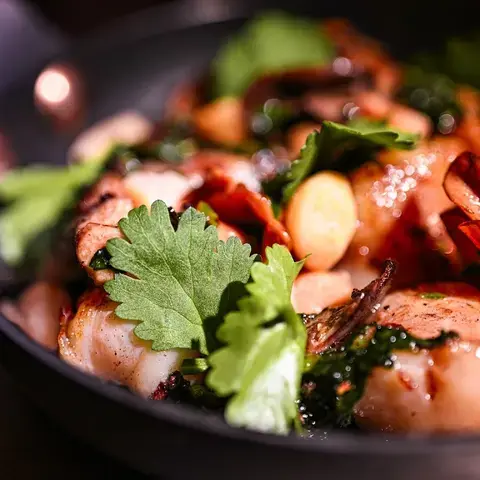
In a warehouse with an industrial feel in Talat Noi, chefs Amerigo Tito Sesti and Yoan Martin cook a Mediterranean-inspired menu using only Thai ingredients, some grown on the rooftop. Their commitment to reducing waste also extends to the recycled materials used for the decor and plates. The sato selection ranges from Devanom’s craft bottling and Muangkrung’s jasmine and passion fruit versions to Mr Sato’s lychee and guava offerings. Try them alongside pan con tomate with smoked ricotta from Chiang Mai, aubergine fritters with salsa verde and salted fish, or duck carbonara with Chaiya salted egg, Satun pepper and housemade duck ham. There’s also a Chef’s Cuts tasting menu and a Thai take on tiramisu called ‘9000km East’.
Noi Samrub Bar & Eatery
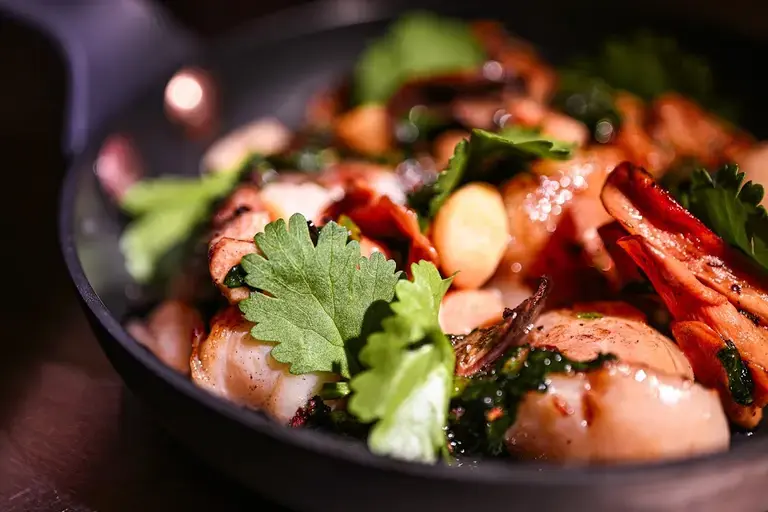
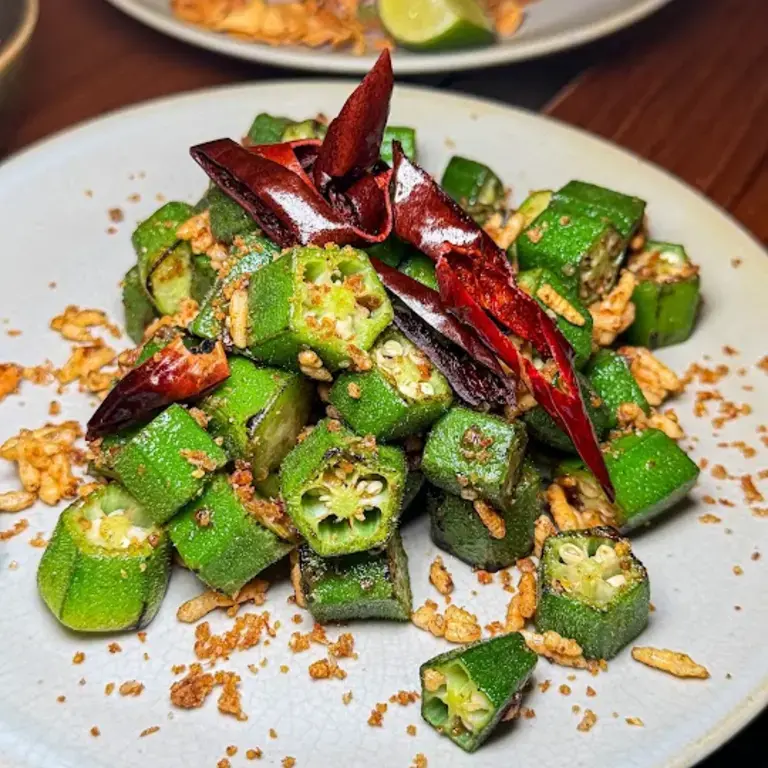
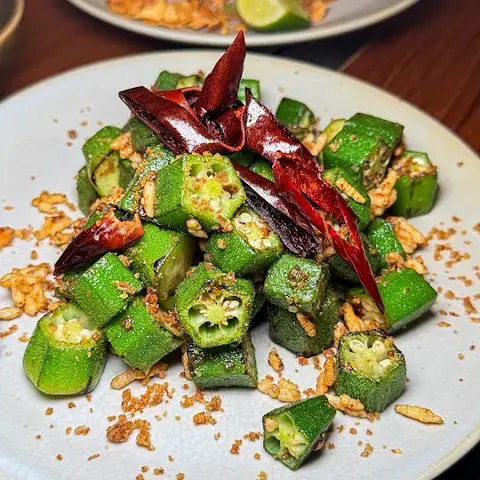
At Noi, rows of sato bottles take the place usually reserved for beer and wine. Prin Polsuk and Mint Jarukittikun, the couple behind Samrub Samrub Thai, opened this bar on the sixth floor of Central Park, with small plates made for sharing over a drink. Sato from producers including Nanuanchun and Devanom is available by the glass or bottle, with Nanuanchun also served on tap. Order Chiang Khan-style grilled prawns with som saa citrus peel, octopus with Regency brandy and the house sauce, or aubergine in coconut milk, and try a few different pours from premier producers helping shape sato’s revival.


Potong
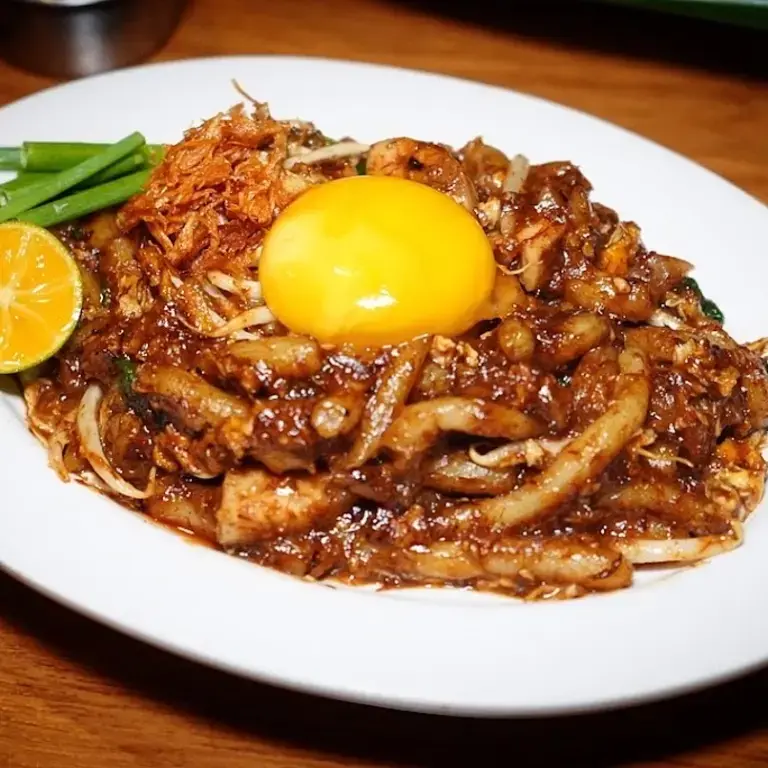
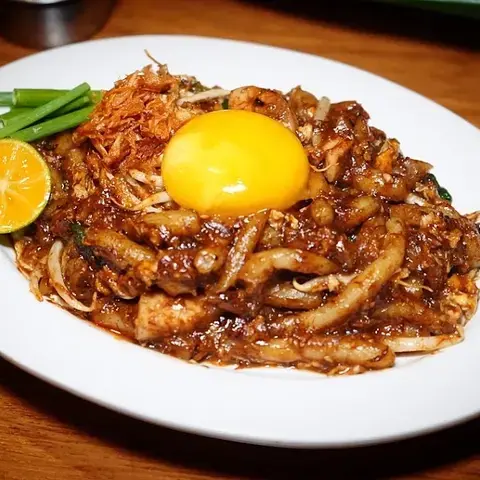
At the newly renovated Potong, more widely spaced tables and an elegant interior frame chef Pichaya ‘Pam’ Soontornyanakij’s Thai-Chinese cooking informed by family memories. Familiar flavours are finely worked in dishes such as her signature 14-day-aged duck and rad na (stir-fried fresh rice noodles, served in a light gravy sauce). Sato has its own place in the restaurant’s fermentation program and drink pairing, with two single-rice bottlings by 422: one made from San Pa Tong sticky rice from Chiang Mai, the other from Luem Pua black sticky rice grown by Hmong farmers in Tak.
Sato Sammosorn
Chalee Kader’s Sato Sammosorn brings together more than 40 sato labels from across Thailand, from family makers and newer brands to established commercial breweries. Opened in June 2026, the bar has sato sommeliers to guide drinkers through the selection, making it a great place to compare producers, regions and styles over a few glasses. The menu, co-created by Kader and Gaggan Anand, includes nasi lemak wings, tamarind leaf salad, dong dang noodles and pig’s ears with nam pla prik and pickled garlic – regional dishes, curries, grilled meats and ferments to eat as you work your way through the bottles.
Soma
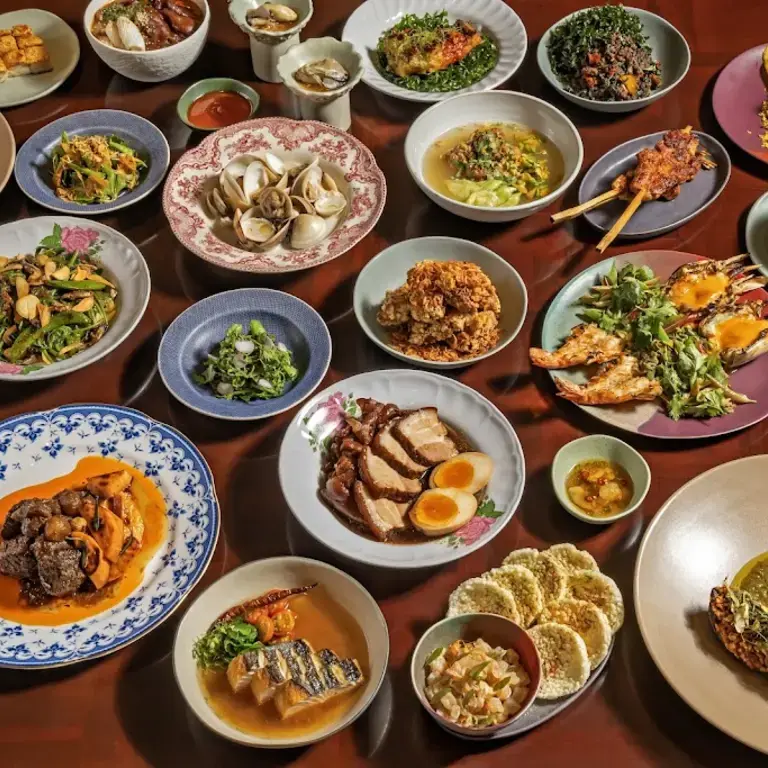
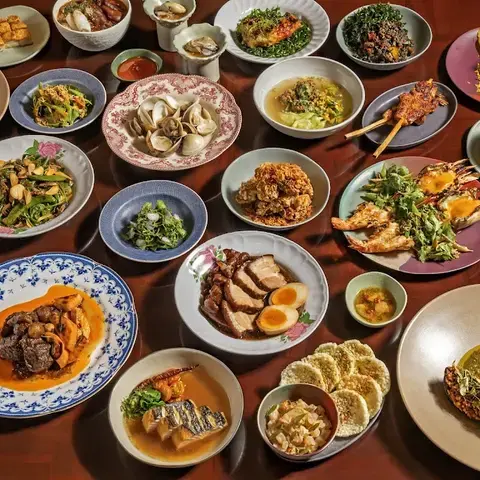
On the ground floor of an unassuming office tower in mall-packed Siam, Soma is a collaboration between chefs Chalee Kader and Weerawat ‘Num’ Triyasenawat, with head chef Pak Yamoo overseeing the kitchen. The menu brings together ingredients and recipes from across Thailand: crispy sago crackers with minced pork and grilled skirt steak in a kailan salad with Regency brandy feature alongside soups, stir-fries and curries. Each bottling on the sato list comes with notes on its rice variety, provenance and flavour. Among them are Nanuanchun’s lightly sparkling Kaowong sticky rice sato from Kalasin and several from Devanom, including the dry, umami-rich Summer and a version aged for a year in red wine barrels.