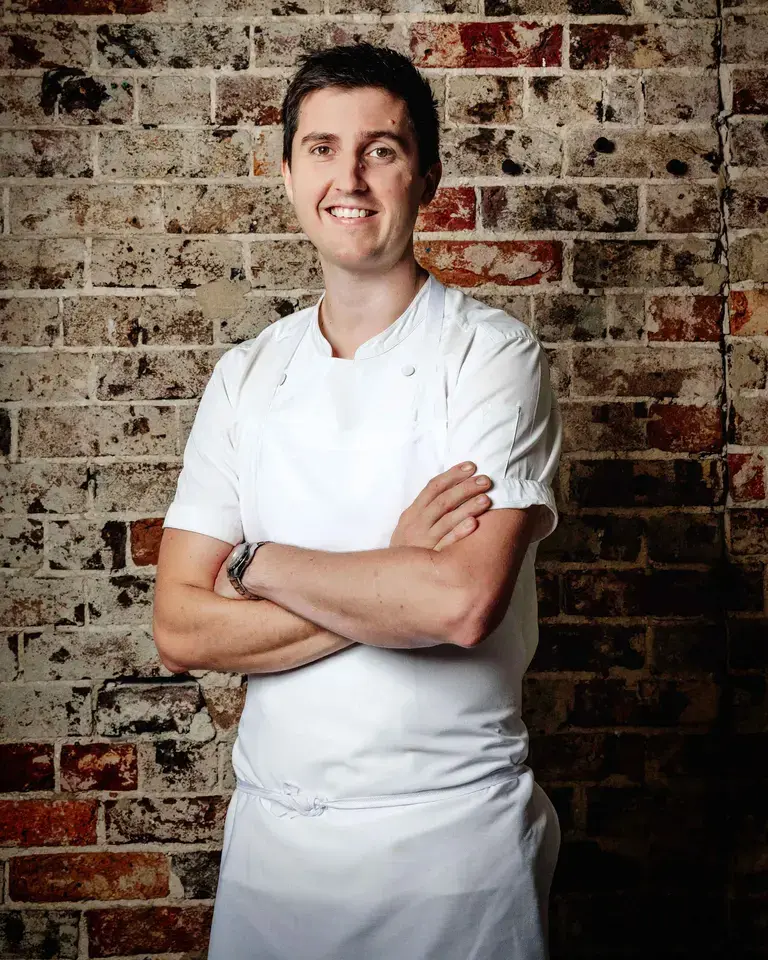
At Saint Peter, a fish is treated as a butcher might treat a side of beef: dry-aged in custom-built rooms, broken down whole, and used from scale to tail instead of filleted and forgotten. Offal, bones and secondary cuts receive the same care as a prime fillet, and the results read as inventive rather than austere.
The restaurant has built its reputation on this principle, turning techniques more commonly associated with meat into a vocabulary for seafood. The daily-changing offer reflects that morning’s catch rather than a fixed roster of dishes, while the underlying logic stays constant: nothing of the animal goes to waste.
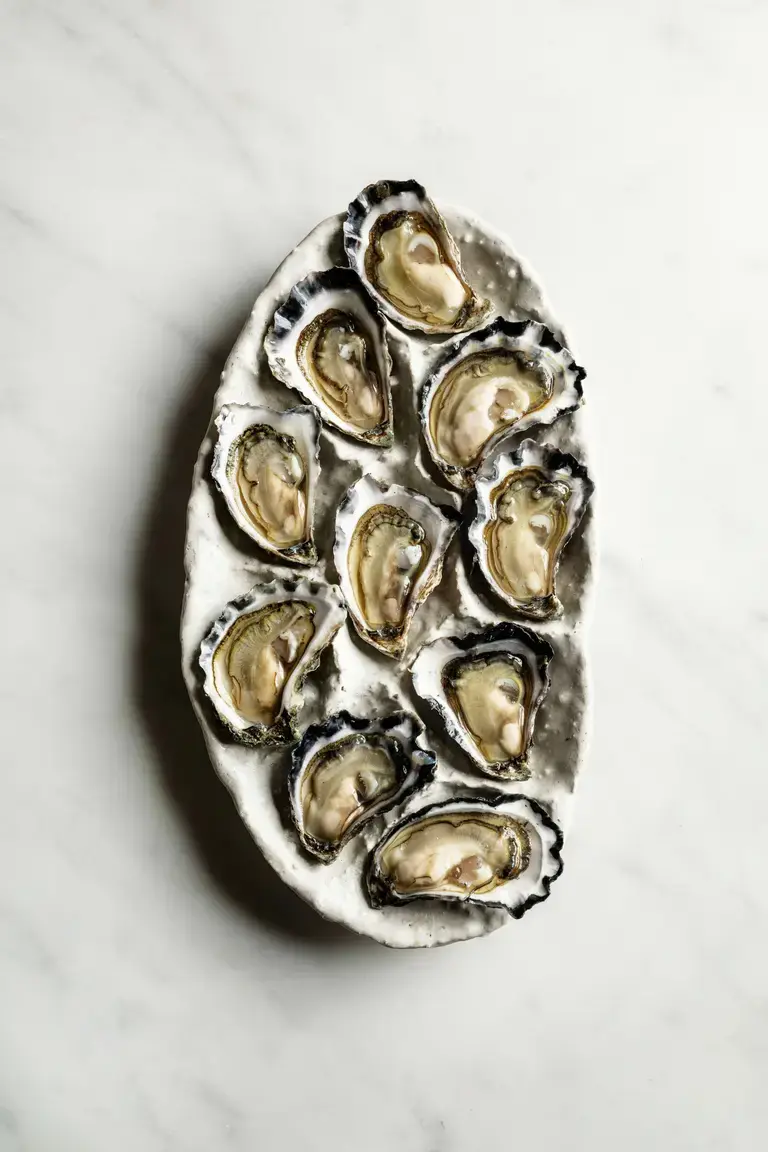
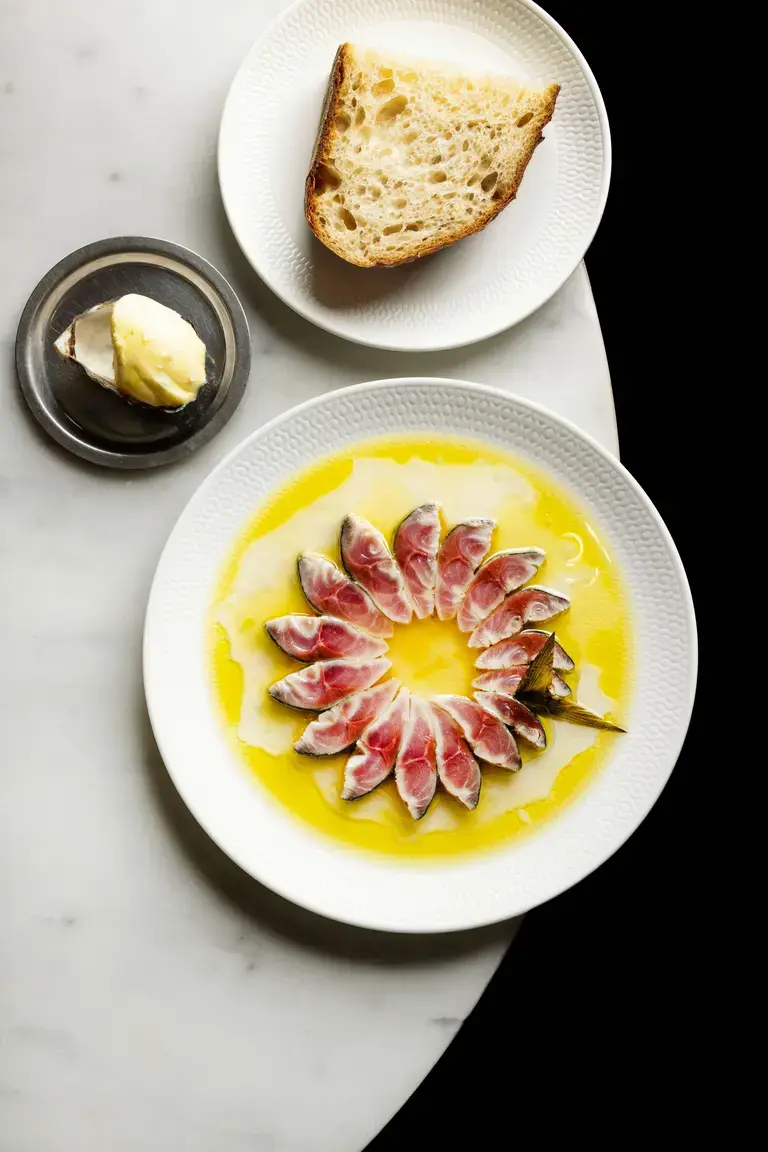
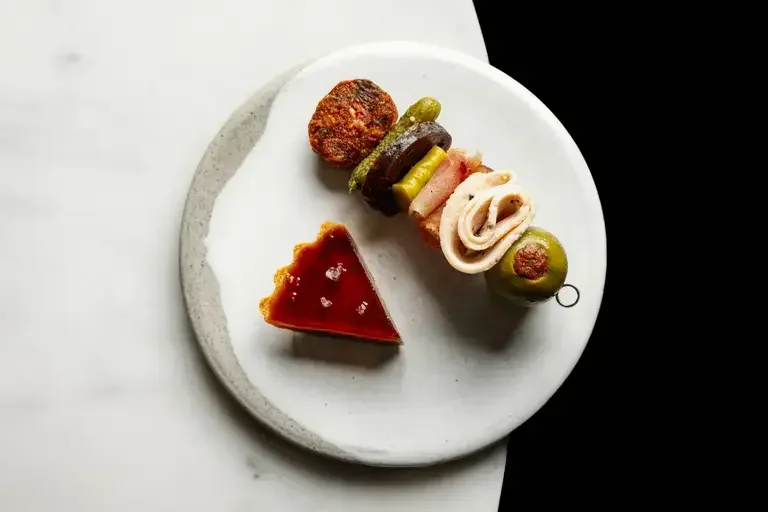
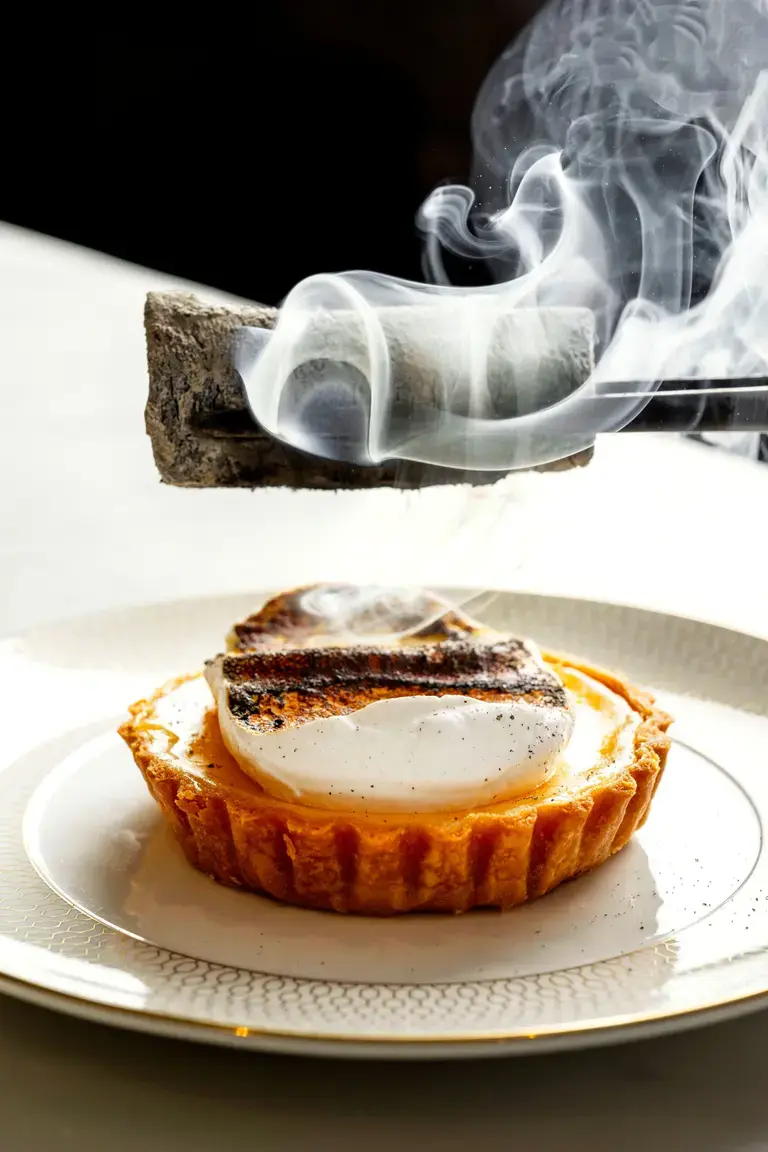
The kitchen has become known for its John Dory liver, served simply on toast, and for turning yellowfin tuna into unexpected forms, from a tartare on fermented rice cake to a wrapped pastry reminiscent of a Wellington, and even a petit four built from bone marrow. Salt and vinegar mackerel is a recurring presence on the menu and distils the kitchen’s interest in texture and preservation into something almost playful. Proceedings tend to open with a round of oysters and a changing raw selection, a reminder that technical ambition never obscures the produce.
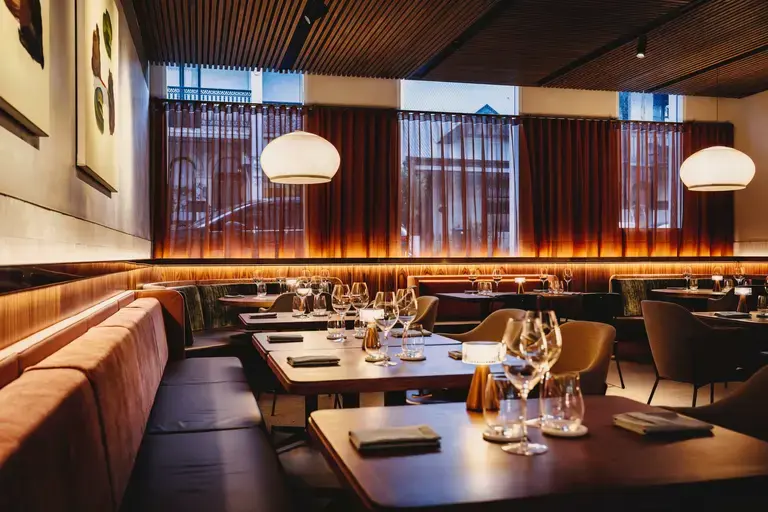
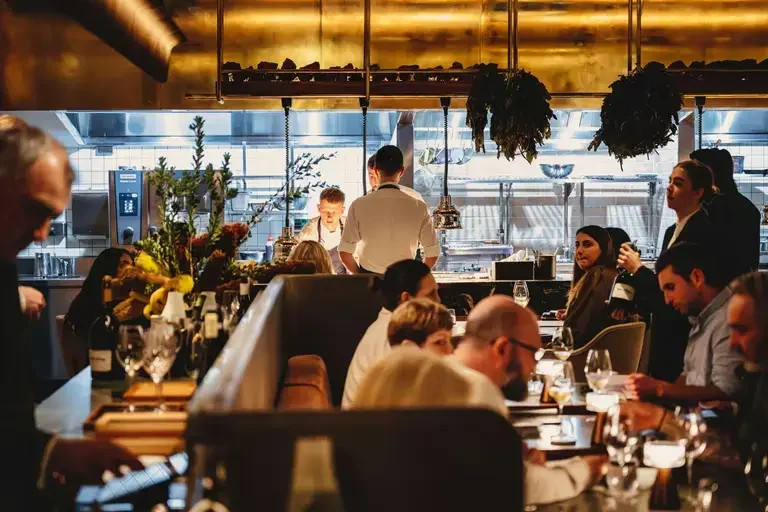
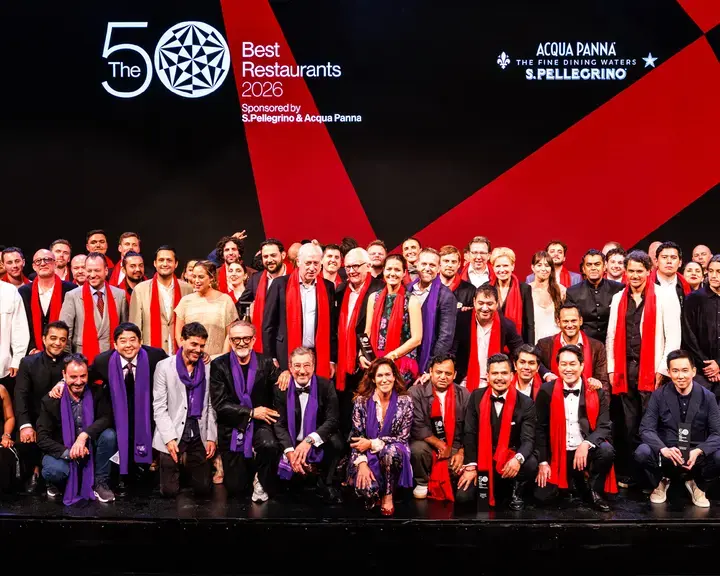
Saint Peter has featured on several best-restaurant lists since moving into the Grand National Hotel in Paddington, a heritage building that now houses its dining room. The eucalypt-toned space, hung with local artwork, offers a quiet backdrop for the assured food, and the service moves at a pace that matches the kitchen’s precision.