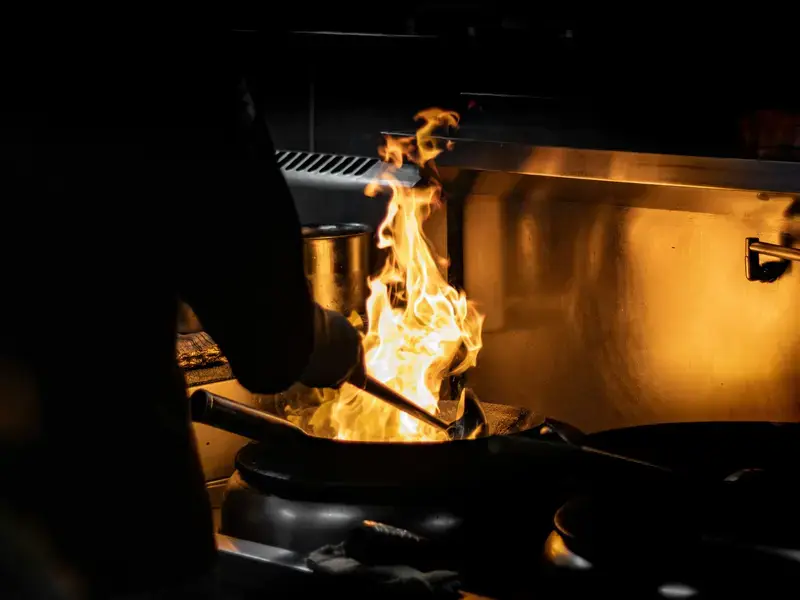
To coincide with the unveiling of Asia’s 50 Best Restaurants 2026, the full list of which you can see below, Fine Dining Lovers spoke to Asia’s best chefs to get their tips for the big fine-dining trends ahead for Asia-Pacific. Are the days of long tasting menus numbered? Do chefs think diners want more storytelling at the dinner table, or less? What is ‘ancestral tech’ and which regional cuisine will lead the way in defining Asia’s culinary voice in the years ahead? This is what they had to say.
How we’ll be fine dining this year according to Asia’s best chefs
What will be the biggest trends in fine dining in Asia-Pacific this year? On the occasion of Asia’s 50 Best Restaurants 2026, we asked the chefs at the forefront of it
26 Mar 2026
Jordy Navarra, Toyo Eatery (Manila)
I’m proud to say that in Manila, there’s a surge of interest in Filipino ingredients and local food, and a growing appetite for new dining experiences. I would love to see more cross-cultural collaborations and smaller nations like ours celebrated and represented. In Asia more widely, Chinese food is having its moment. China has such a rich diversity of ingredients and cuisine styles; there’s so much to discover and learn.
Photo by Geric Cruz
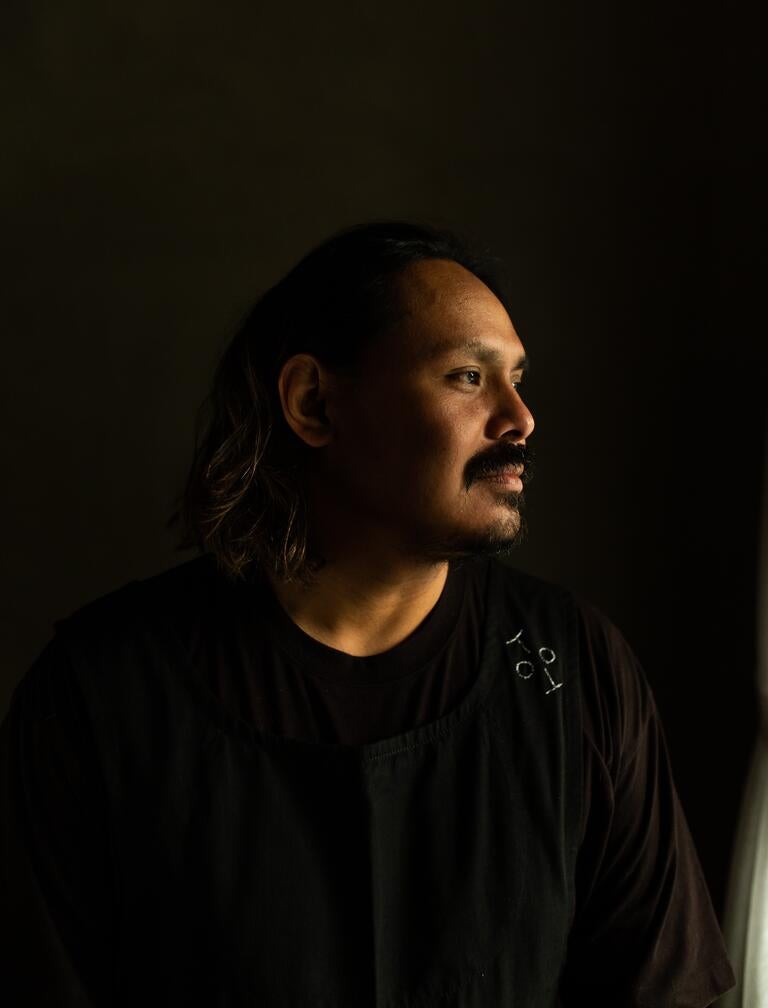
Antimo Merone, Estro (Hong Kong)
I believe fine dining will increasingly have to appeal to a public that’s more focused on healthy lifestyles. We will see a diversification of the offer for customers who do not drink alcohol and are conscious about the quality and quantity of ingredients. And in Hong Kong, especially, I believe there will be even more awareness of local produce and Asian flavours.
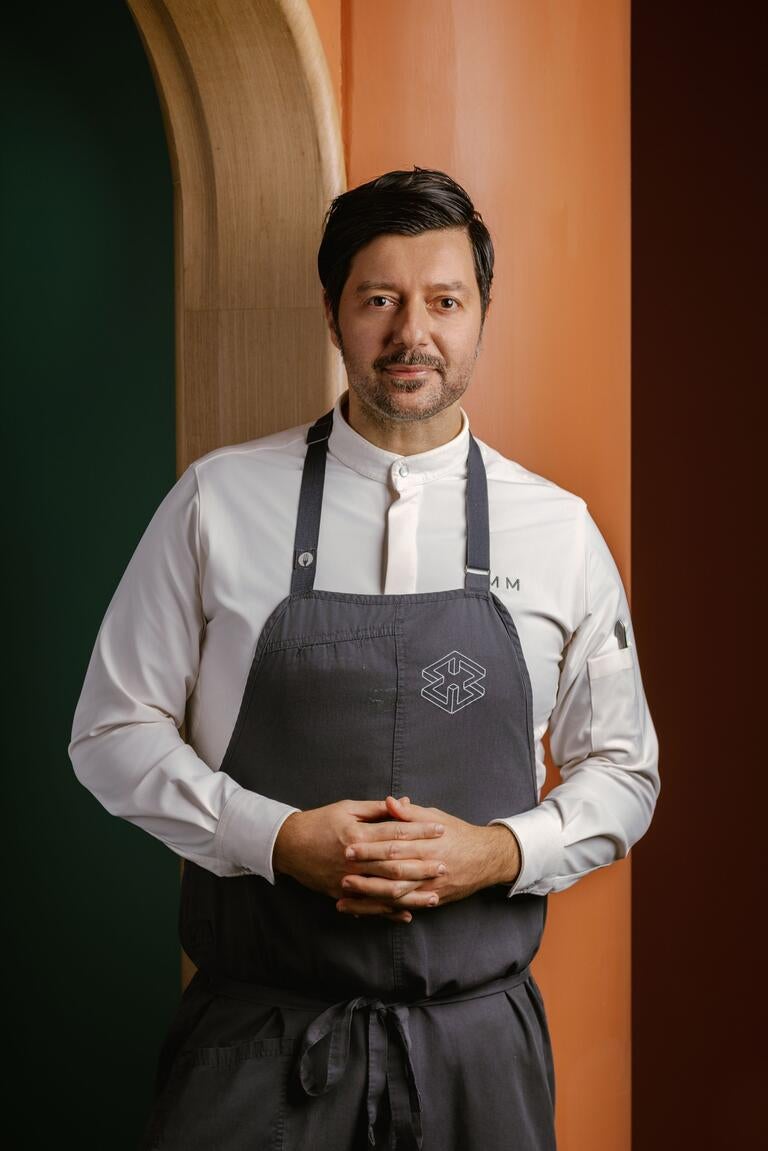
Prateek Sadhu, Naar (Kasauli)
Across Asia-Pacific, I’m seeing a return to heritage with the use of traditional techniques and local ingredients, but interpreted in a more contemporary way. Luxury is being redefined: it’s now more about connection, integrity and a true sense of place. I would love to see Asia define its own narrative and look less at Western benchmarks for validation. There’s a real chance to build stronger ecosystems that support local communities, preserve culinary knowledge and shape a more responsible future for gastronomy.

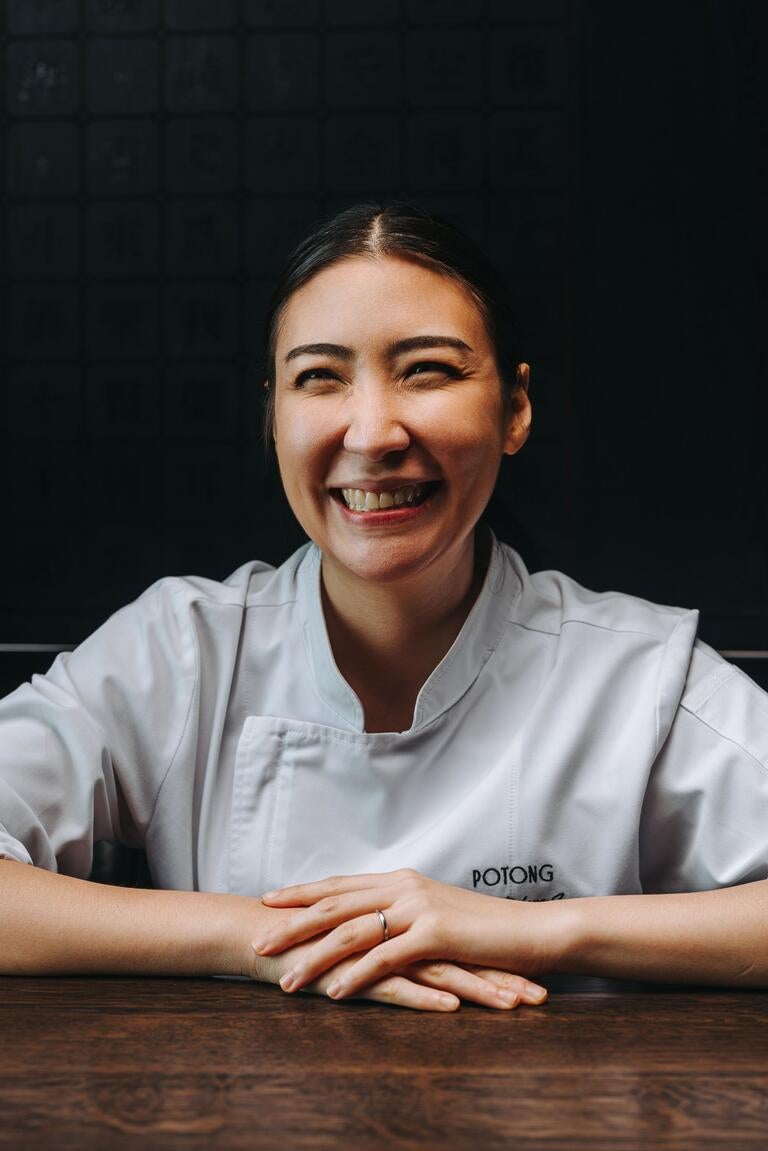
Pichaya 'Pam' Soontornyanakij, Potong (Bangkok)
The big trends include a focus on local culinary identity and sourcing, and rediscovering heritage, not in a nostalgic way, but understanding it properly and expressing it with consideration. Sustainability is key, outside and in the restaurant. There’s a growing awareness around building healthier and more sustainable workplaces in kitchens, with equality a part of that conversation – including gender – not as a statement, but through real opportunities, fair systems, and clear paths for development.
Photo credit: Pol Divina
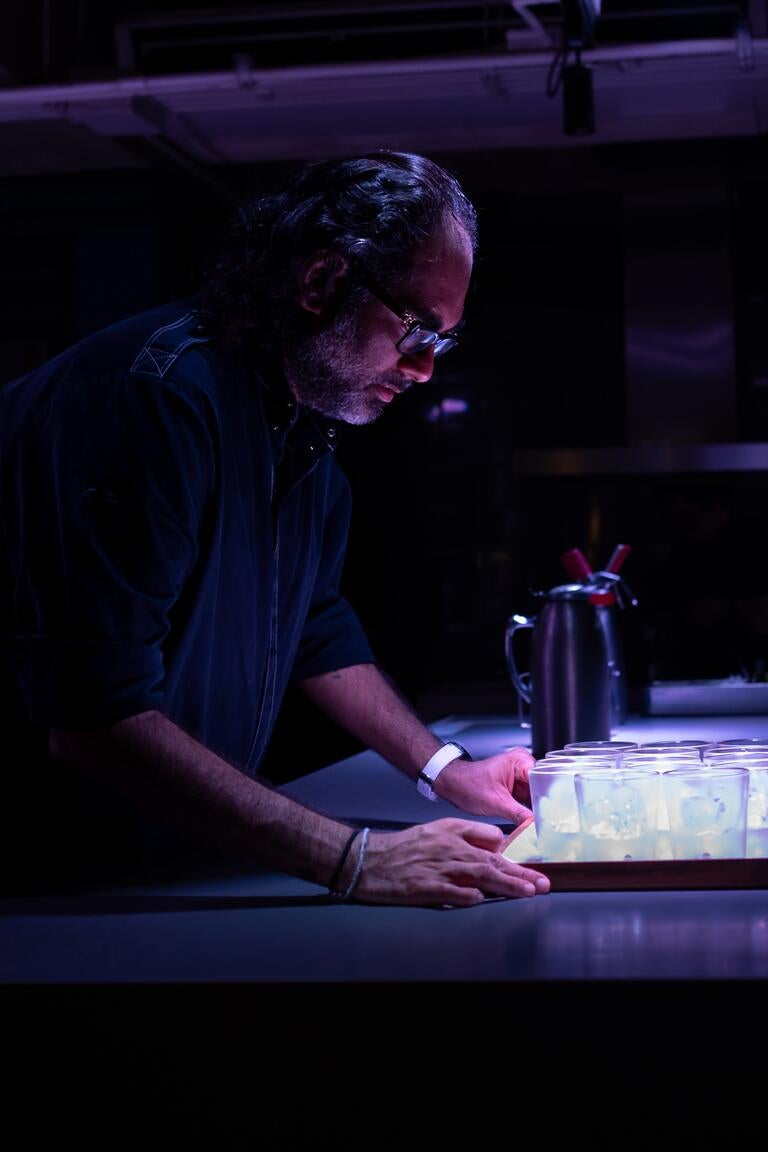
Gaggan Anand, Gaggan (Bangkok)
Diners are not just looking for food plated with frills, but rather seeking out simplicity and authenticity. It’s about the experience in totality – the food, ambience, storytelling and how original the restaurant is. Fine dining isn’t just fine food, but fine memories. But fine dining is at a difficult stage: it’s hard to survive with inflation, rents and so on. We’re moving into more casual fine dining – good food in a more relaxed setting, where you don’t pay too much but still have a good time. In Asia, our domestic cuisine is already so strong, so it’s just about elevating it in a better way.
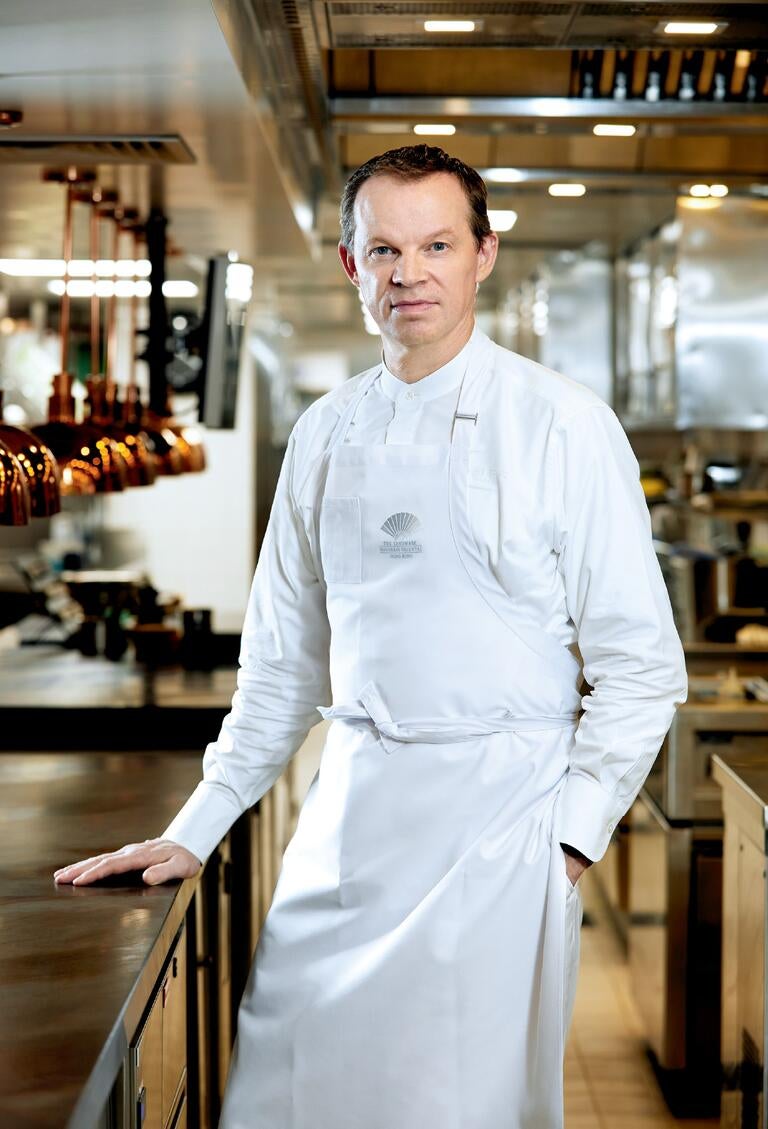
Richard Ekkebus, Amber (Hong Kong)
Hong Kong no longer feels the need to dazzle with excess. Luxury is less about spectacle and more about substance. The white tablecloth has not disappeared; it has softened, with neo‑bistros, elegant grill rooms and chef‑driven neighbourhood dining rooms flourishing. Asia is no longer chasing validation. There’s a return to cultural depth with ancestral techniques, indigenous ingredients and regional narratives. Sustainability has evolved; restaurants are designing with resilience in mind by embracing regenerative sourcing, plant‑forward sophistication and radical transparency. Provenance is no longer a footnote; it’s part of the luxury experience. Wellness, too, has matured. Menus are lighter and more intentional, aligning with longevity, balance and performance.
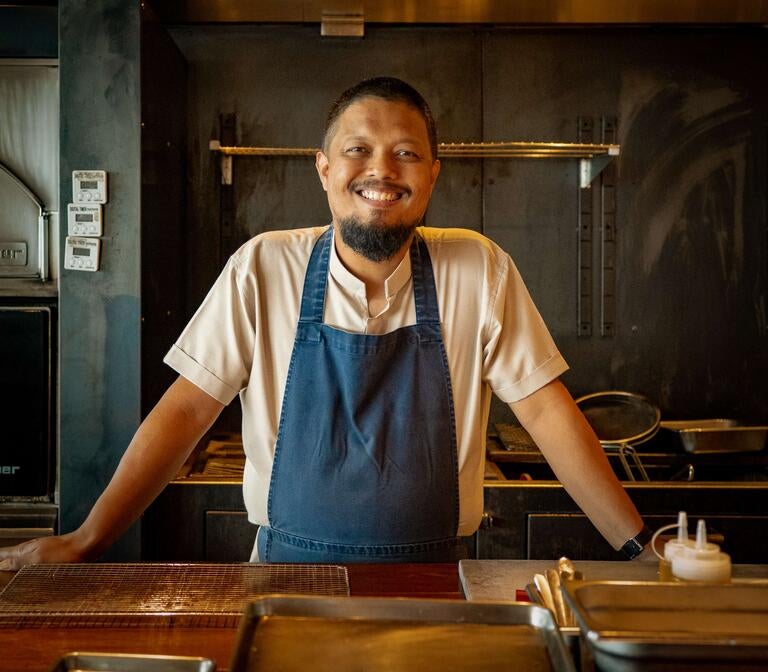
Darren Teoh, Dewakan (Kuala Lumpur)
In Malaysia, fine dining is still in the process of defining its purpose, and from that, its identity. A more distinct voice is starting to form. Across Asia-Pacific, fine dining is becoming less Euro-centric, with countries such as China and Thailand leading this shift. There’s a move away from excess and towards clarity: do ultra-long tasting menus really suit the Asian diner's temperament?
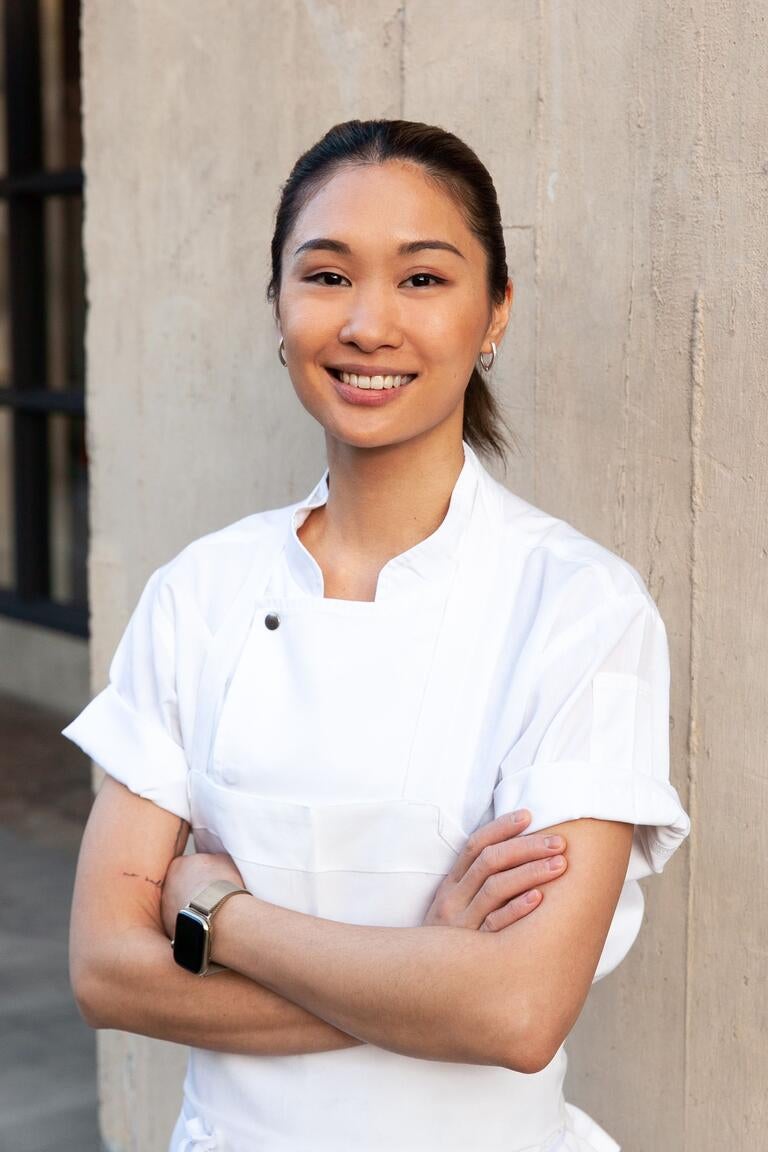
Chudaree ‘Tam’ Debhakam, Baan Tepa (Bangkok)
Fine dining in this region is becoming more diverse. There’s a shift towards a more relaxed and personal dining experience, while still keeping a high level of technique and attention to detail. At the same time, there’s a stronger focus on local identity, sustainability and community, with more chefs working closely with their ecosystems. Personally, I love it when chefs put their own personality and identity into traditional cuisine, developing it into something unique to their culture.
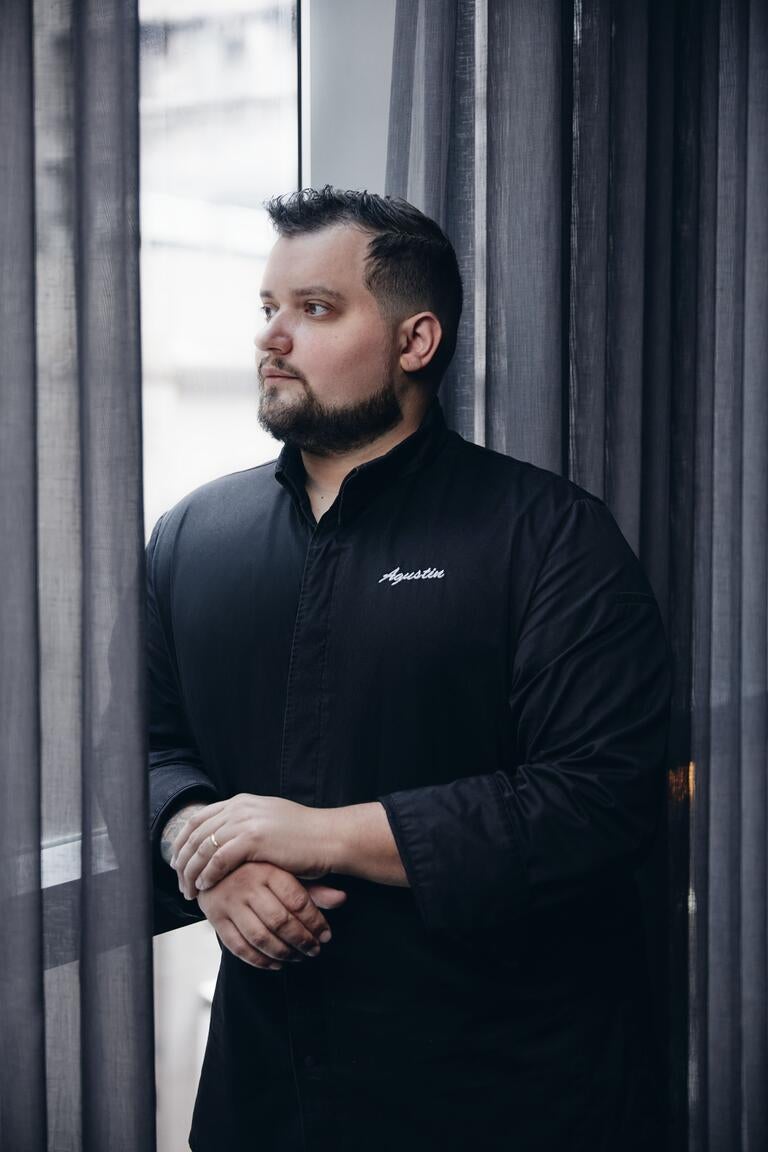
Agustin Balbi, Ando (Hong Kong)
More local chefs are modernising Cantonese cuisine and highlighting Hong Kong and regional South China produce, often in micro-seasonal menus that also offer seafood traceability. Across Asia, restaurants are moving toward highly refined local cuisines. There are more climate-conscious menus with alternative proteins. Guests now prefer shorter menus, opting for six to eight courses over 15+. Luxury is being defined by access, not opulence: hard-to-book counters, ultra-limited seating, and ingredient rarity are key. Non-alcoholic pairing programmes will become a standard, especially in markets such as Hong Kong, Singapore and Tokyo, where wellness and business dining overlap.
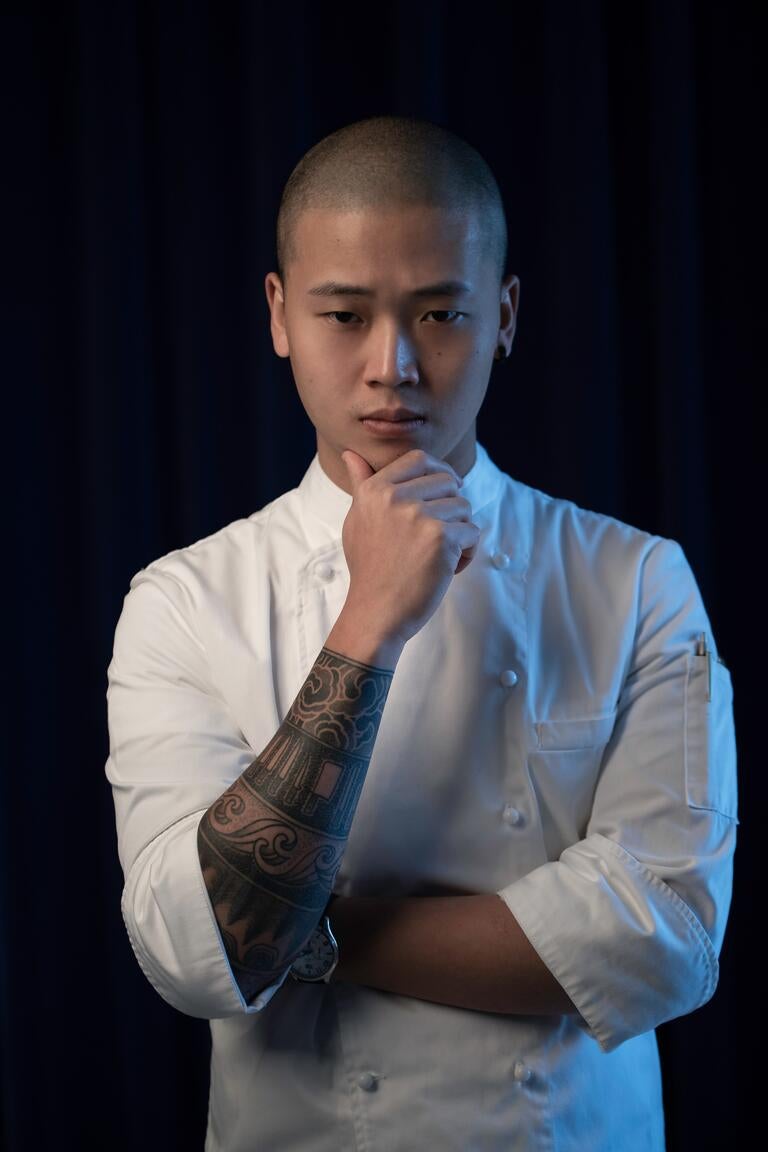
Jason Liu, Ling Long (Shanghai)
In China, young chefs are no longer imitating Western fine-dining frameworks. Instead, they’re digging into regional Chinese culinary histories, reviving nearly lost techniques, and presenting them with contemporary flair. There’s also a strong interest in ingredients, especially from places such as Yunnan and Guizhou. Fermentation will continue to be a major theme, but in China, we’re looking at our own thousand-year-old traditions of tofu, huangjiu (yellow wine) and cured meats as the foundation. Ultimately, the Asia-Pacific fine-dining scene will be defined by chefs who are deeply rooted in their own culinary heritage, but unafraid to reinterpret it for a new generation. I believe China will be at the forefront of that movement.
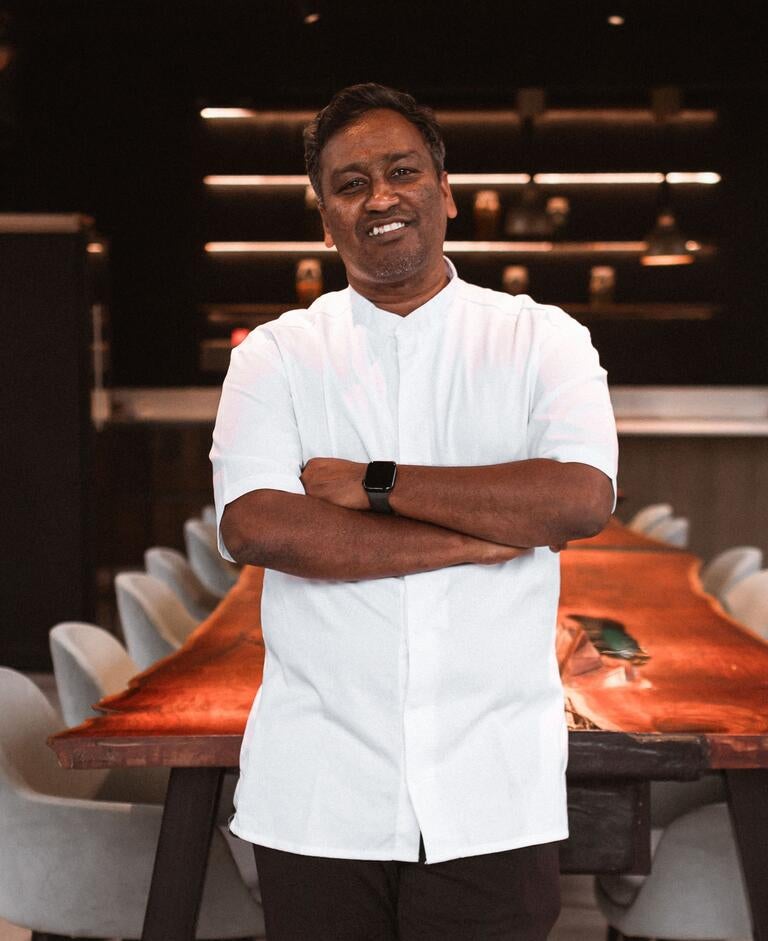
Johnson Ebenezer, Farmlore (Bangalore)
I believe we’re entering the era of ‘ancestral tech’, with chefs across Asia returning to ancient preservation and cooking methods such as fire, fermentation, and cooking in clay pots, but executing them with a level of scientific precision that wasn’t possible before. Gastronomy is moving beyond sustainability to being regenerative – it’s no longer enough to just reduce waste. There’s more awareness that restaurants need clarity in their philosophy and work culture, and a focus on mental health and a good work-life balance. In India, provenance is the new luxury; diners in 2026 are looking for a narrative – they want to eat a story.
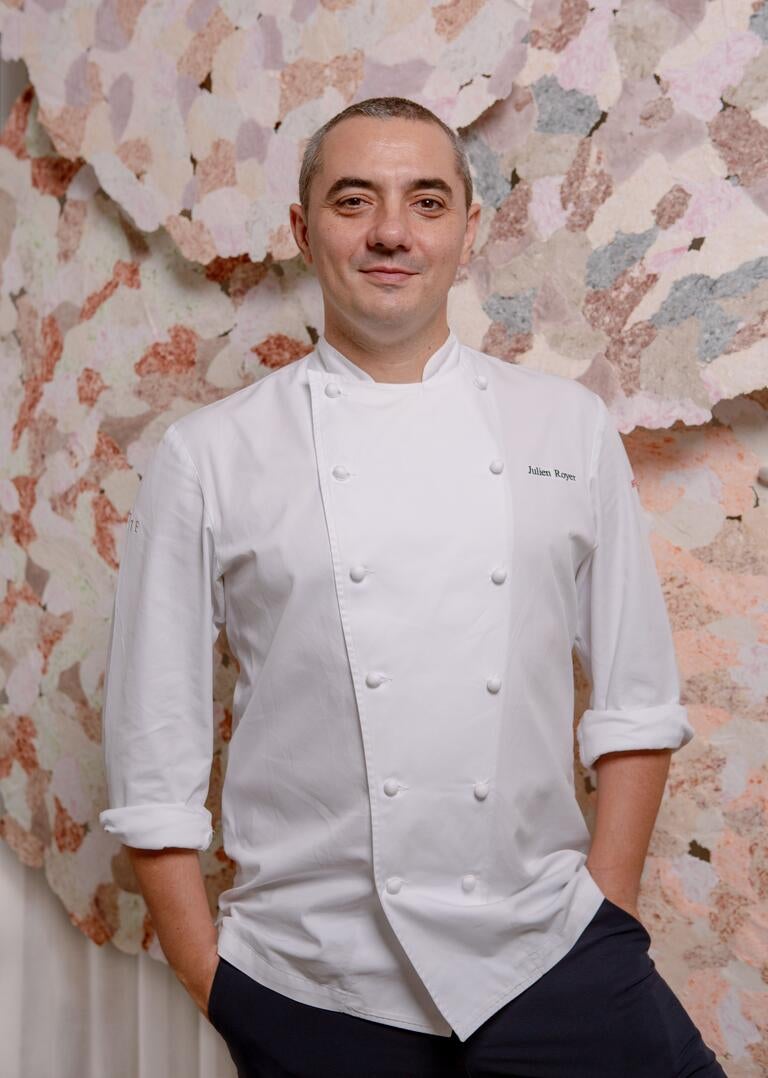
Julien Royer, Odette (Singapore)
The trend I see is ‘less but better’. Authenticity will be crucial to satisfy a discerning clientele. I foresee a decrease in demand for very long, never-ending tasting menus and complicated experiences in which people are fed too much story over substance and quality. Instead, I see people demanding flexibility. Lastly, I see a real interest in and increasing demand for quality products, and knowledge of their origins and sourcing – people will want to know what they are putting in their body. This is great as it pushes and encourages us chefs to continue in our produce obsession.
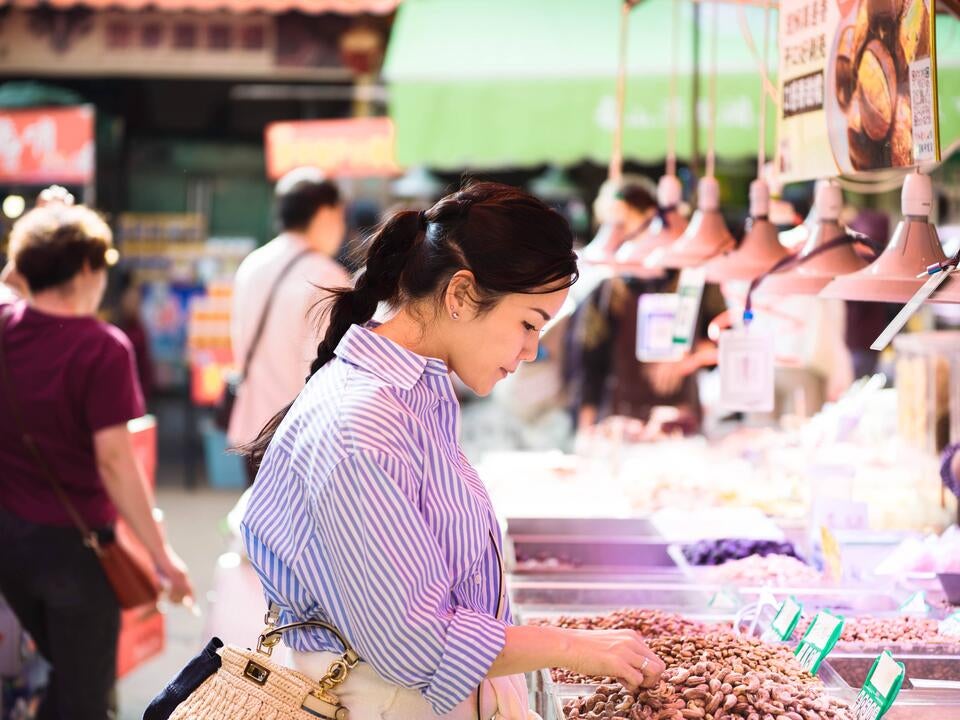
Discover one chef's quest to uncover and reinterpret a revered regional Chinese cuisine
Asia’s 50 Best Restaurants 2026: full list
1. The Chairman, Hong Kong
2. Wing, Hong Kong
3. Gaggan, Bangkok
4. Mingles, Seoul
5. Nusara, Bangkok
6. Meet the Bund, Shanghai
7. Chef Tam’s Seasons, Macau
8. Gaggan at Louis Vuitton, Bangkok
9. Ling Long, Shanghai
10. Ru Yuan, Hangzhou (Highest New Entry)
11. Fu He Hui, Shanghai
12. Sorn, Bangkok
13. La Cime, Osaka
14. Onjium, Seoul
15. Masque, Mumbai
16. Sézanne, Tokyo
17. Lamdre, Beijing (Highest Climber)
18. Sühring, Bangkok
19. Odette, Singapore
20. Seroja, Singapore
21. Sazenka, Tokyo
22. Logy, Taipei
23. Born, Singapore
24. Neighborhood, Hong Kong
25. Potong, Bangkok
26. Eatanic Garden, Seoul
27. Ms Maria & Mr Singh, Bangkok
28. Maz, Tokyo
29. 102 House, Shanghai
30. Naar, Kasauli
31. Florilège, Tokyo
32. Estro, Hong Kong
33. Myoujyaku, Tokyo
34. Crony, Tokyo
35. Caprice, Hong Kong
36. Le Du, Bangkok
37. Narisawa, Tokyo
38. Les Amis, Singapore
39. Au Jardin, Penang
40. Labyrinth, Singapore
41. Mosu, Seoul
42. August, Jakarta
43. Bium, Seoul
44. Locavore NXT, Ubud
45. Nae:Um, Singapore
46. Mono, Hong Kong
47. Wana Yook, Bangkok
48. La Bourriche 133, Shanghai
49. 7th Door, Seoul
50. JL Studio, Taichung
Additional awards
One to Watch Award: San, Seoul
Icon Award: Zhang Yong
Asia’s Best Female Chef Award: Cho Eun-hee, Onjium
Chef’s Choice Award: Thitid ‘Ton’ Tassanakajohn, Le Du, Nusara
Asia’s Best Sommelier Award: Lesley Liu, Odette
Asia’s Best Pastry Chef Award: Ardika Dwitama, August
Sustainable Restaurant Award: Baan Tepa, Bangkok

About the author
Victoria Burrows is a globetrotting food, wine and whisky writer and former restaurant critic, with extensive knowledge of and love for Asia. Her experience includes stints at...
Featured articles

Let's spark the conversation with S.Pellegrino and Lewis Hamilton
Read more





Get your free hot trends guide
Sign up for our monthly round-up of foodie inspiration and unlock our exclusive guide to what's hot in food and drink this year.
Get your free plating guide
Sign up for our monthly round-up of foodie inspiration and receive our exclusive plating guide free.
Discover your next fav spot
Sign up for our monthly round-up of foodie inspiration and receive our exclusive restaurant guide free.