Sorry, you need to enable JavaScript to visit this website.
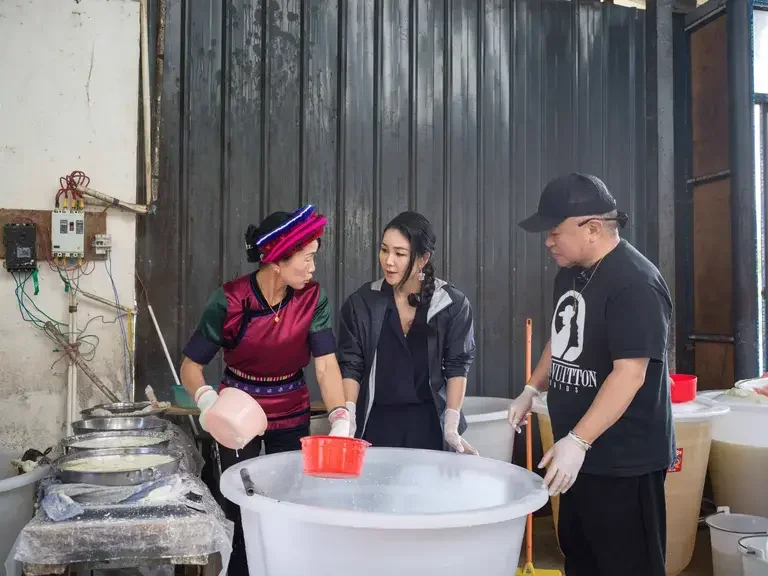
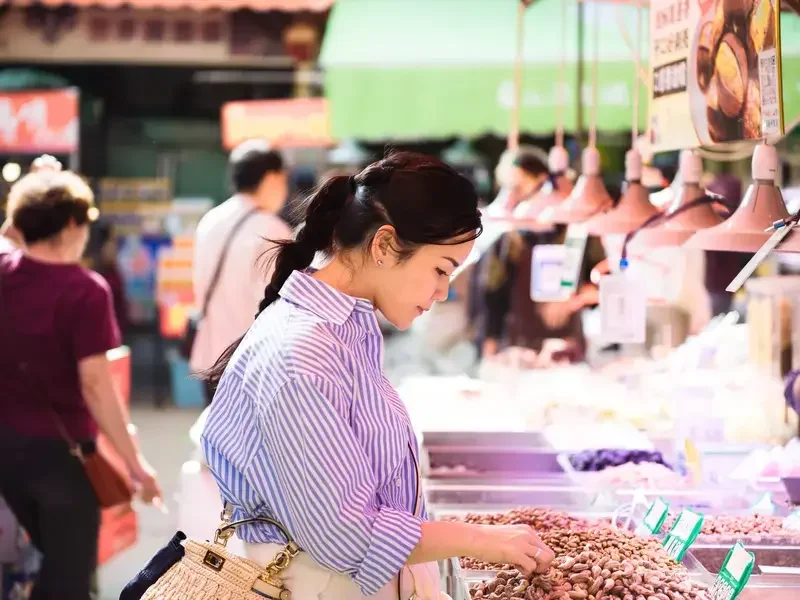
Vicky Lau in a wet market in Yunnan.

Back to the source: my journey into Yunnan cuisine

Chef Vicky Lau visits the southern Chinese region and finds a “world that unfolds like a watercolour” and inspiration for her new restaurant, Jija

My first encounter with Yunnan was not through travel, but through whispers in the kitchen. Fellow chefs spoke of morel mushrooms harvested from forests 2,000 metres above sea level, of heirloom roses distilled into vinegar, of tea leaves so young they still held morning dew. For years, I was intrigued by this southern frontier – a region that felt simultaneously ancient and full of possibility.

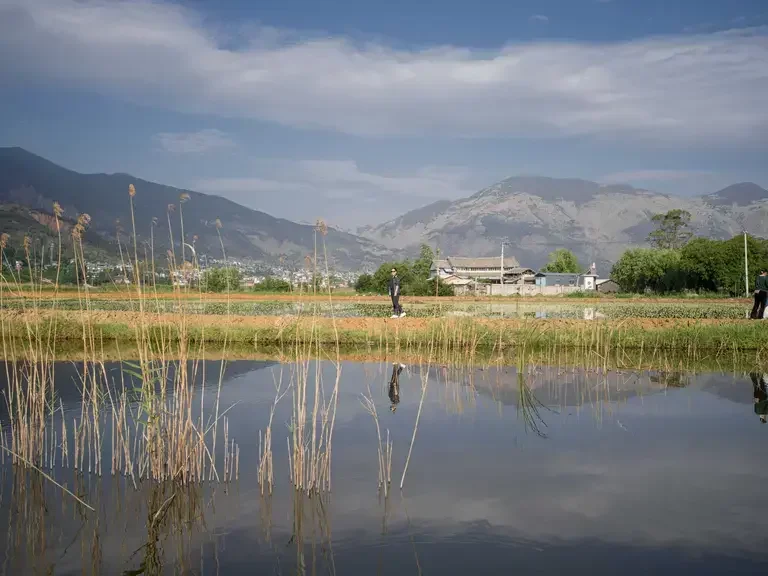
Landing at Dali Airport, the world unfolds like a watercolour painting, misty blue skies brushed against ochre mountains, the scent of damp red earth riding the wind. The moment we began driving toward the old town, I knew I wanted to go straight to the source of local life: the market.

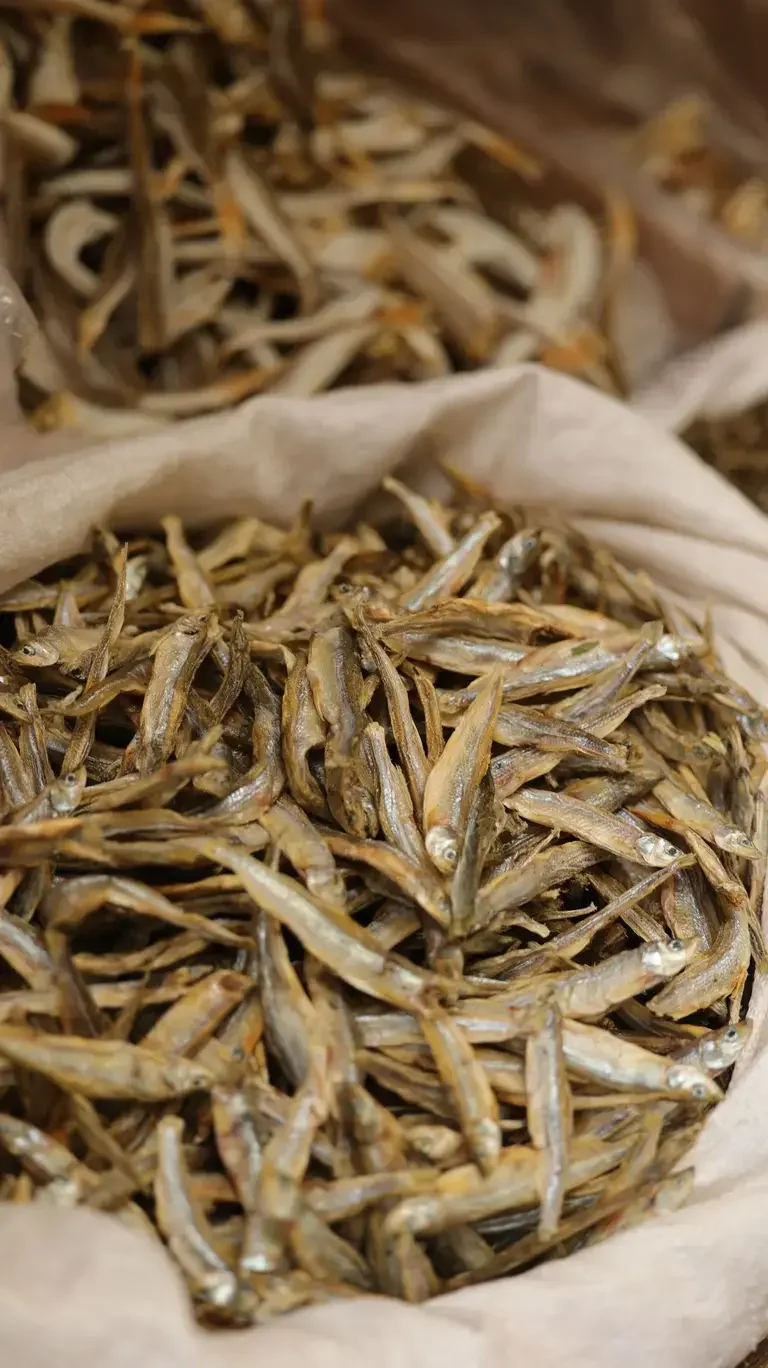
In the wet market, the air itself feels seasoned – bouquets of herbs, wild honey, dried spices and flowers, mountains of mushrooms in every form, and a passionfruit perfume. I found myself photographing everything I saw, wondering: why have I never seen ingredients like these before?”

As a chef, a visit here feels like returning to the source. You feel nature’s rhythm, and you remember that cuisine is not invented; it is found and shaped by its surroundings.

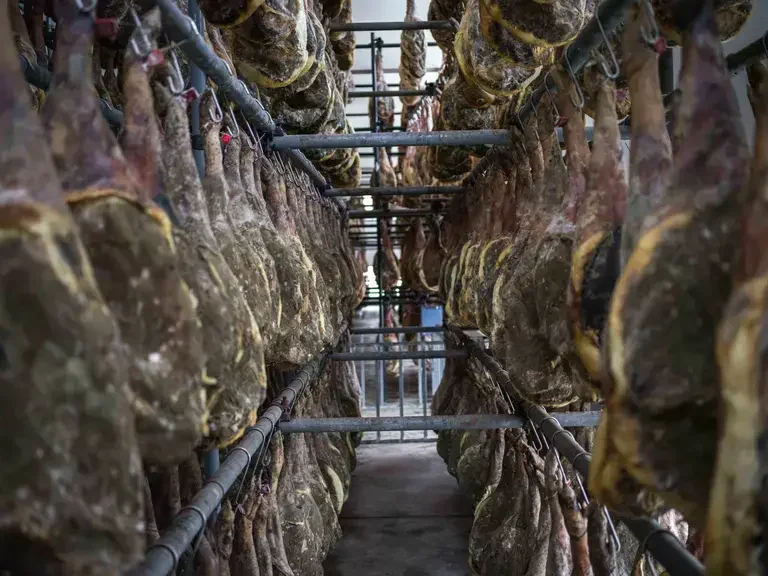
"In the wet market, the air itself feels seasoned"

At Jija, I wanted to bring that philosophy into a Hong Kong context. We began exploring ingredients that echo Yunnan’s terroir – local herbs, earthy broths, lightly fermented vegetables – while also employing European techniques that refine and reimagine them. The result is a dialogue between two worlds: one rooted in the highlands, the other in the harbour.

Creating Jija for a Hong Kong palate was a challenge in translation – not linguistic, but sensory. Yunnanese flavours are bold, sour and occasionally wild. Hong Kong diners, long accustomed to refined Cantonese subtlety, respond differently to rustic intensity. My goal was to find harmony: to preserve the integrity of those flavours while presenting them in forms that feel elevated and accessible.

There were, of course, challenges. Finding Yunnanese ingredients of the same quality in Hong Kong required extensive sourcing and close collaboration with local suppliers. Not everyone immediately understood our approach, but curiosity was always there.

Hong Kong has always been a city of bridges – between East and West, tradition and innovation, memory and reinvention. I think this is why Jija has found its place here. The city recognises the beauty of connection. It knows that food is more than nourishment – it's a narrative.

Spread the flavor - share this story.

Join the community
Badge
Join us for unlimited access to the very best of Fine Dining Lovers.
Unlock all our articles
Badge
Register now to continue reading and access all our exclusive stories.

Already a member? LOG IN