Sorry, you need to enable JavaScript to visit this website.
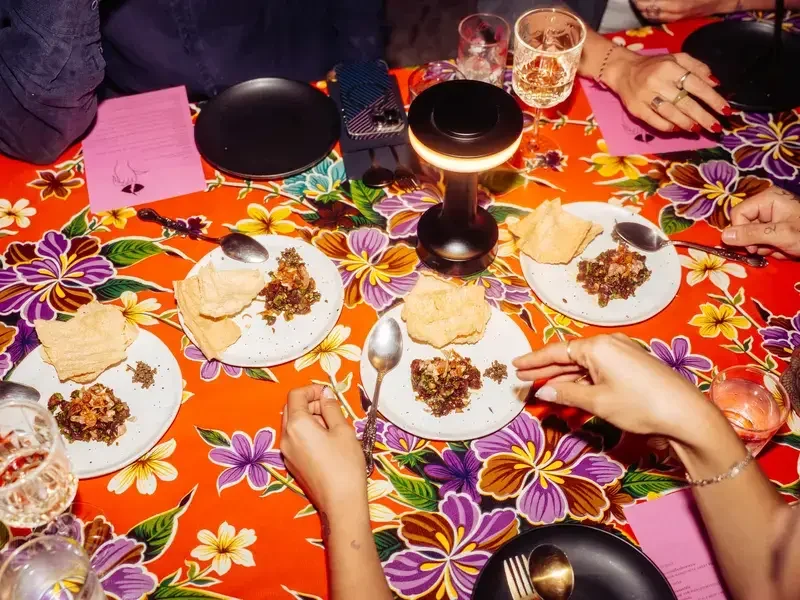
Dinner table with bright tablecloth at Haawm in Bangkok.

Haawm's signature pink tablecloth

Kitchen residential: why Bangkok’s best tables feel like home

Journalist

Bangkok was always one of the world's great street-food cities, and then it added a highly competitive fine-dining scene to the mix. That scene was the first to trade commercial addresses for domestic ones – and in recent years, the city's more casual concepts have followed suit. Today, Bangkok’s most coveted seats are less likely to be found in high-rise towers and malls, but are hiding in residential apartment blocks down quiet sois (alleyways) or behind the walls of a heritage villa.

It can be a bit cliché to talk about a restaurant feeling like someone's home, but in bustling Bangkok, a baan (house or home) carries deep cultural weight. It isn't just a retreat from the frenetic pace outside, but also an open, multi-generational anchor for community and hospitality – and restaurants have taken note. From under-the-radar home micro-tables to Michelin heavyweights built inside actual family residences, the restaurants-as-homes phenomenon feels characteristic of contemporary Bangkok. Here are eight of the best.
Baan Lamyai

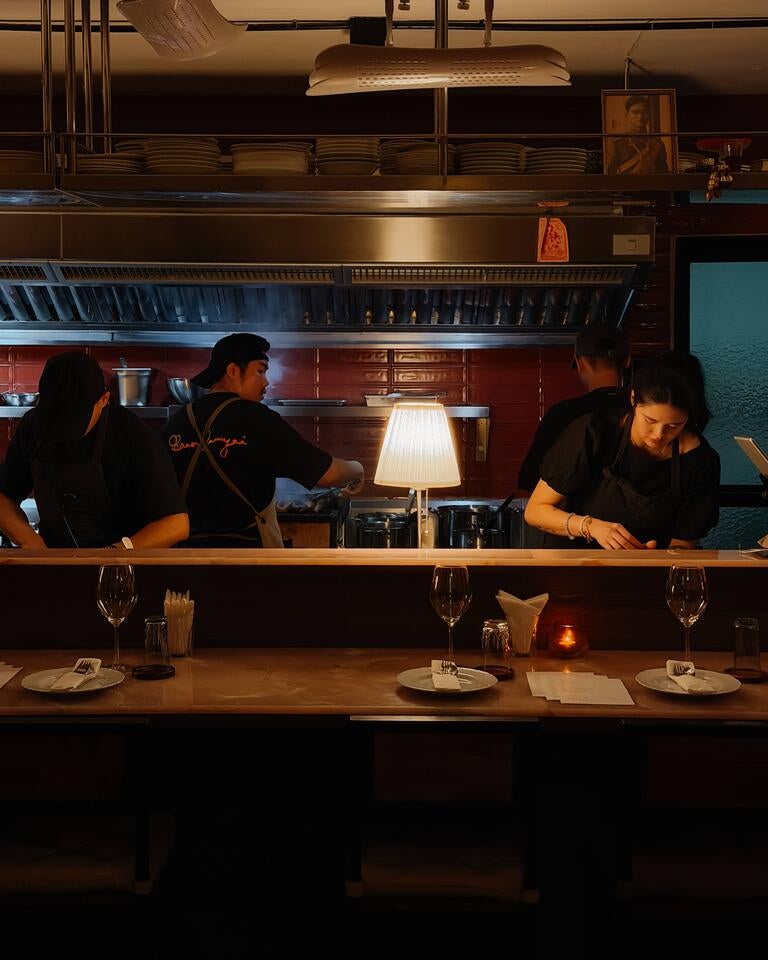
You’d never guess this intimate, brooding restaurant was operating down a quiet, residential sub-soi, inside a Thonglor residential tower. Step behind the unassuming apartment doors and the refurbished family home reveals a sultry, candlelit vibe, centred entirely around a low-slung, pink-onyx counter. Chef-owner Chalita Uttasart aims to create a cosy, casual atmosphere, where the kitchen does the talking with bold, high-flavour plates like oysters in toasted shrimp paste and chilli, or smoked pork neck with sour mango, all served alongside a curated list of natural wines and local sato (Thai rice wine). (Note: currently closed for renovations, reopening September 2026).

Baan Tepa

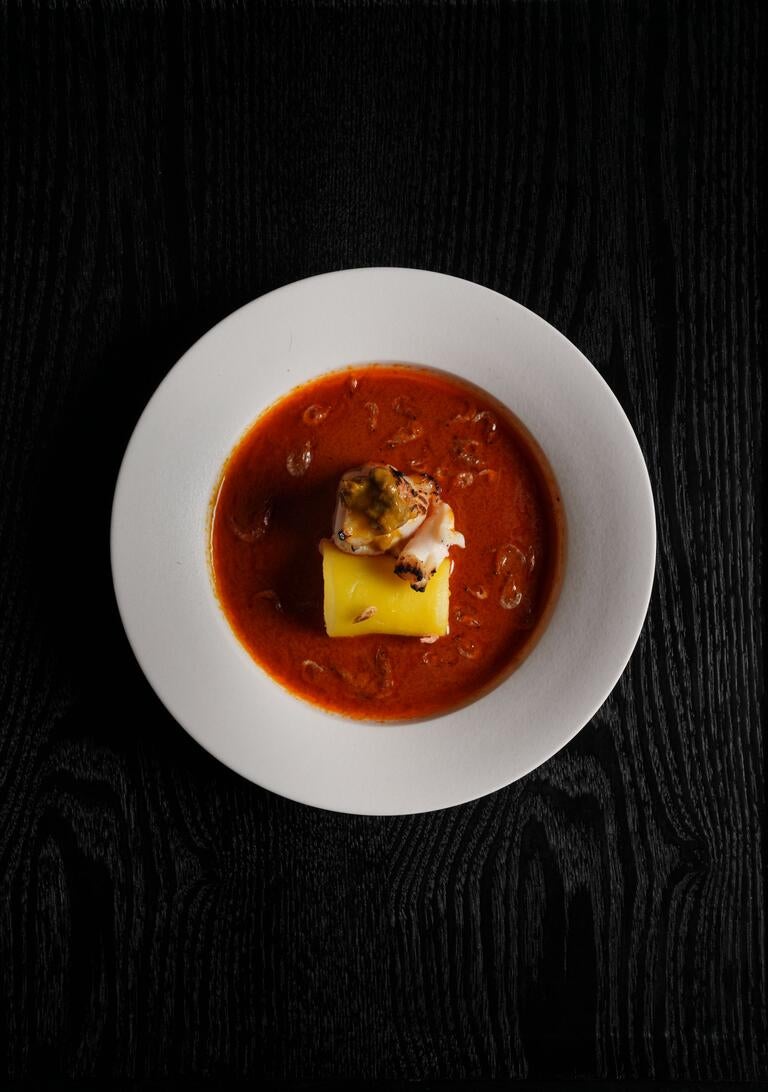
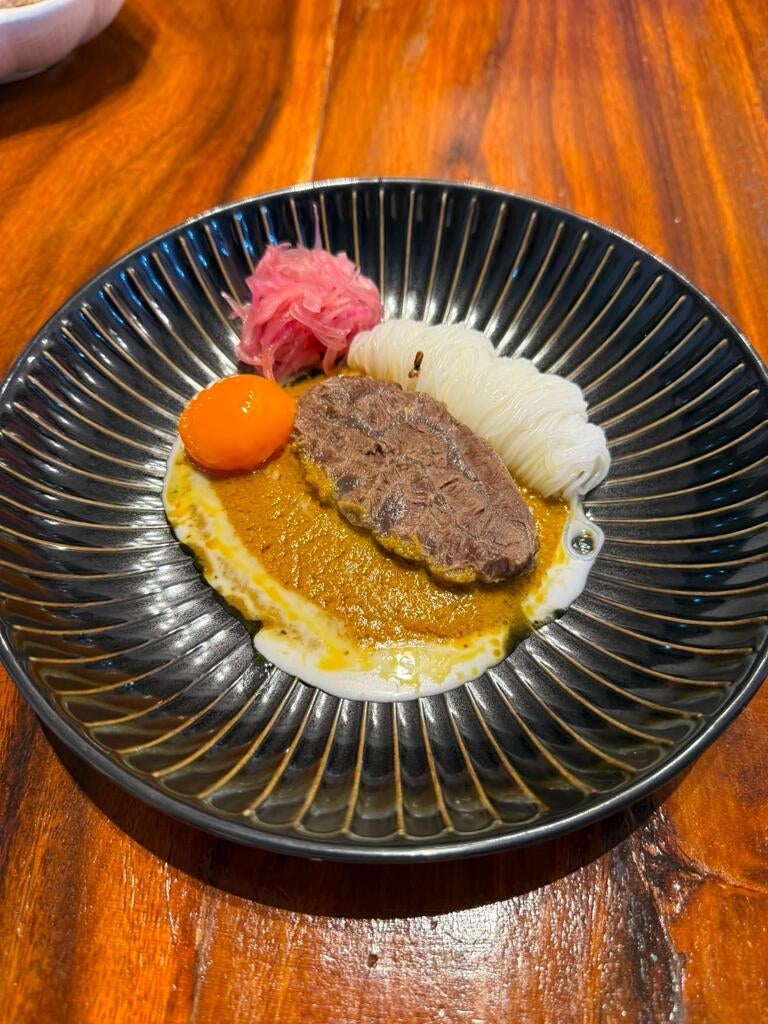
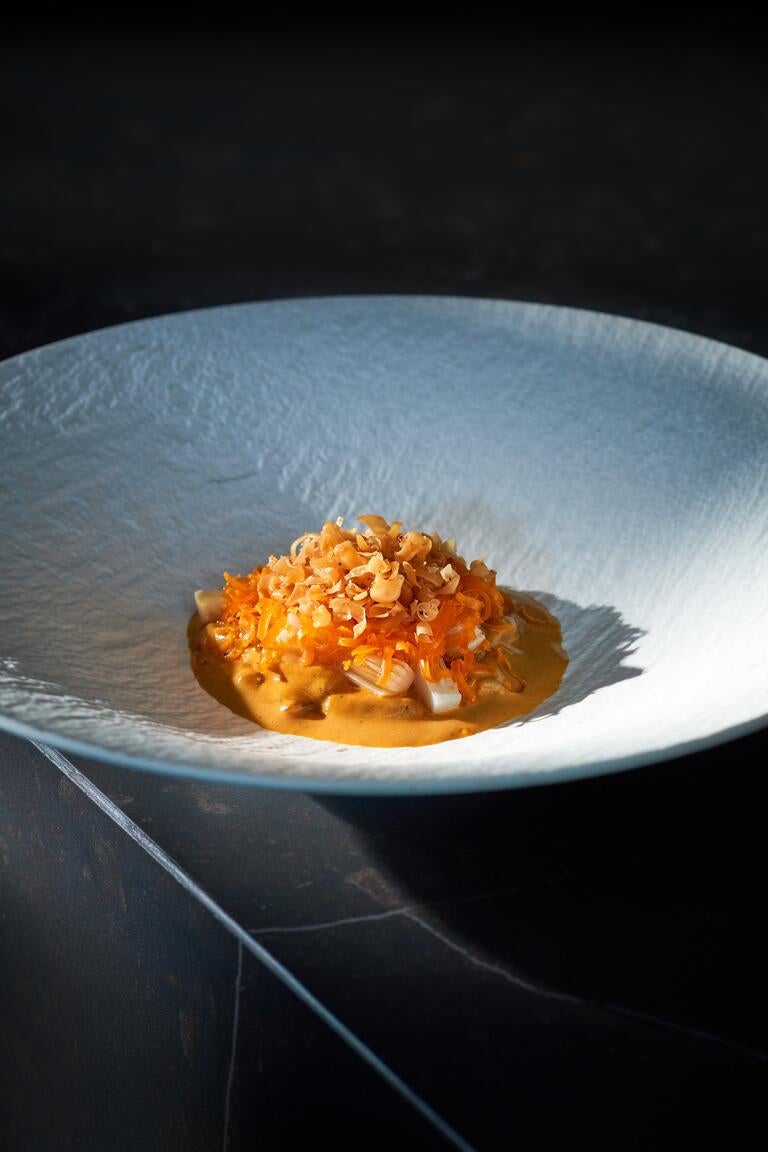
A candidate for Bangkok’s most beautiful dining room, this restored 1980s wooden villa marries heritage teak with a striking abstract canvas and a coffered ceiling of soft pastel stained glass. Never has a restaurant felt more like the home of a chic art collector. It was once the home of chef Chudaree ‘Tam’ Debhakam’s grandmother, a prominent figure in Thai high society, and the grounds have ample space for a lush kitchen garden brimming with indigenous herbs, seasonal vegetables and edible flowers. Debhakam trained at Blue Hill at Stone Barns in Upstate New York and applies a similarly unwavering farm-to-table ethos with dishes like her signature Dong Dang heirloom rice noodles (pictured). (Note: currently closed for renovations, reopening 26 August).

Bo.lan

One of the OG Thai fine-dining spots in Bangkok that helped spark the city's domestic dining wave, Bo.lan relocated to a lush, charming residential compound in Sukhumvit back in 2014. Founded by chefs Duangporn ‘Bo’ Songvisava and Dylan Jones, the fare matches the decor – all dark woods and carvings – and warm mood. Expect a bountiful, multi-course Thai sharing feast traversing traditional hand-pounded relishes, artisanal heritage rice, and salads and curries showcasing Thailand’s biodiversity. An immersive Thai funk playlist curated from finds at nearby Zudrangma Records adds to the vibe.

Haawm

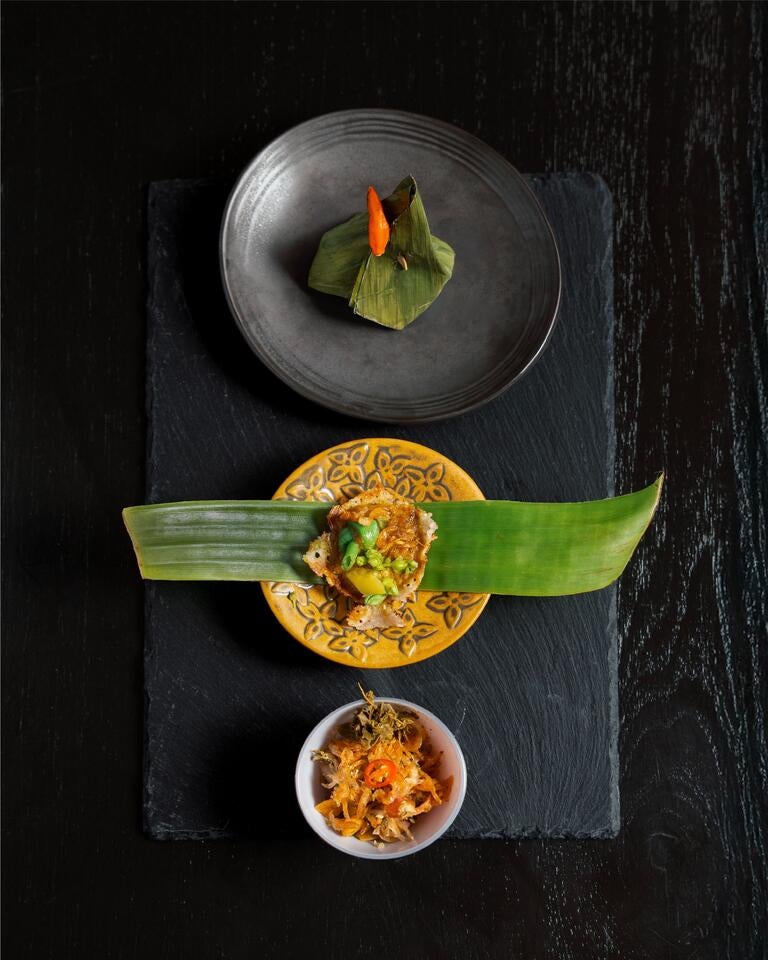
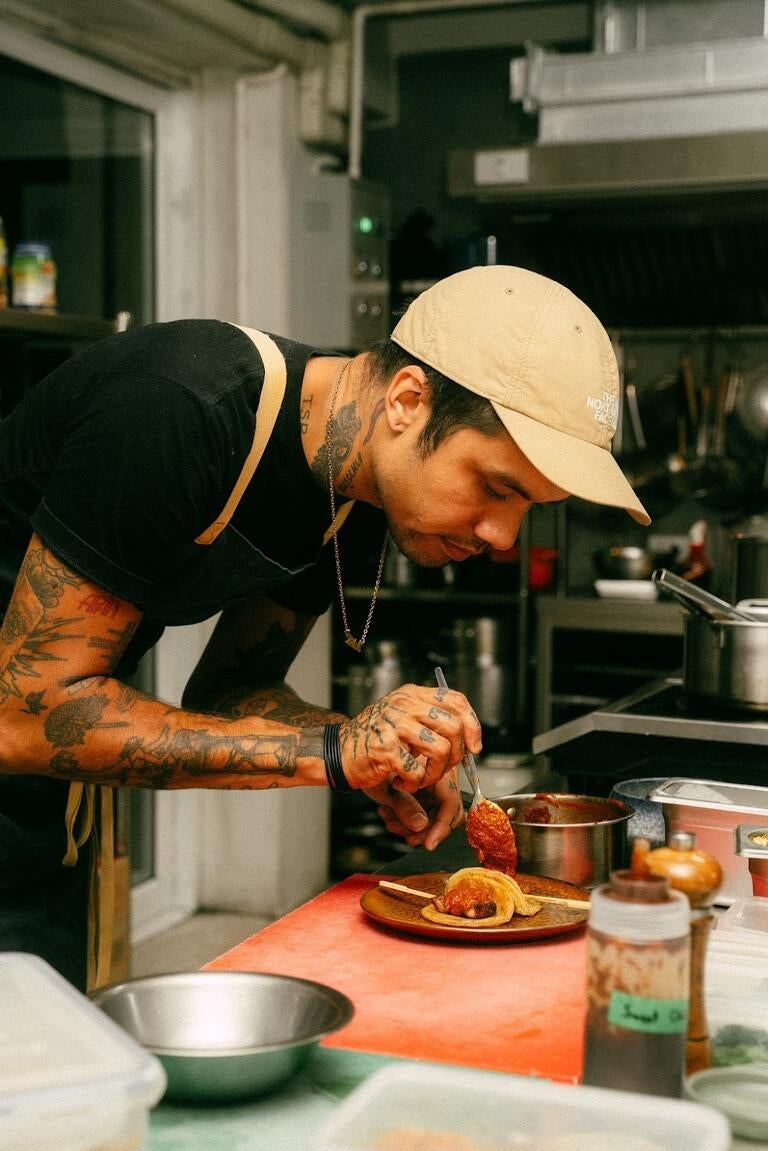
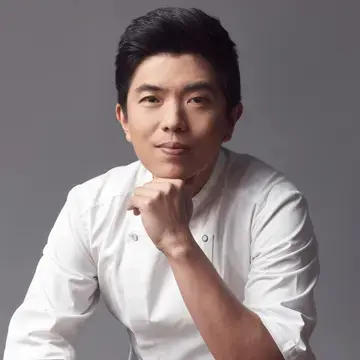
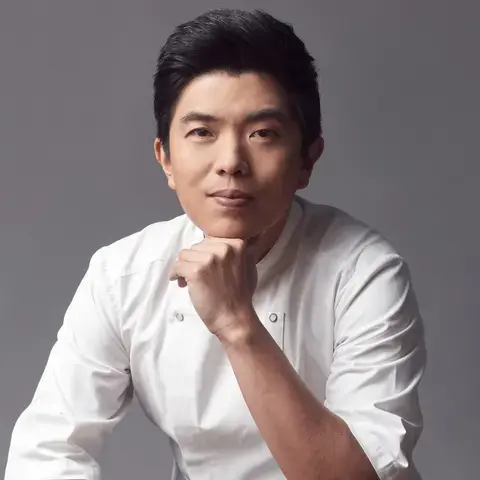
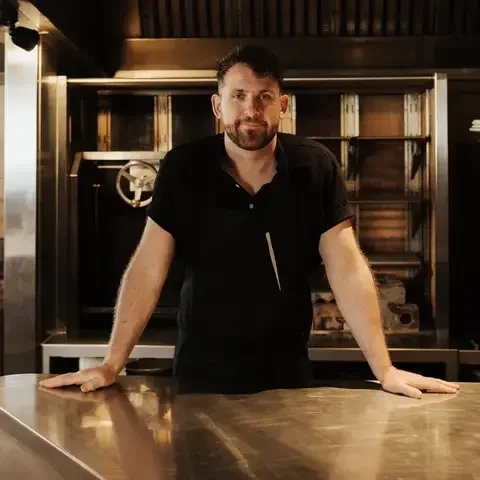
Born as a supper club inside the kitchen of chef Dylan Eitharong’s (pictured) aunt’s house during the pandemic, Haawm now fully operates as a standalone restaurant. While you can dine as a party of two, the space retains its warm, intimate supper-club feel, with most guests gathering around a single rectangular table for six to 10, draped in the restaurant’s signature pink tablecloth and surrounded by antique furniture. Eitharong is a self-taught Thai-American chef, blending traditional home cooking from across the country with a playful, laid-back style, and resisting strict fine-dining pretence in favour of fun. He cooks Thai food the way he’d want to eat it, with complex yet comforting dishes like smoked beef cheeks with panang curry and fresh snakeskin fruit, crispy fried young green chillies filled with crab and coconut cream relish, and clams steamed in sato.

Potong

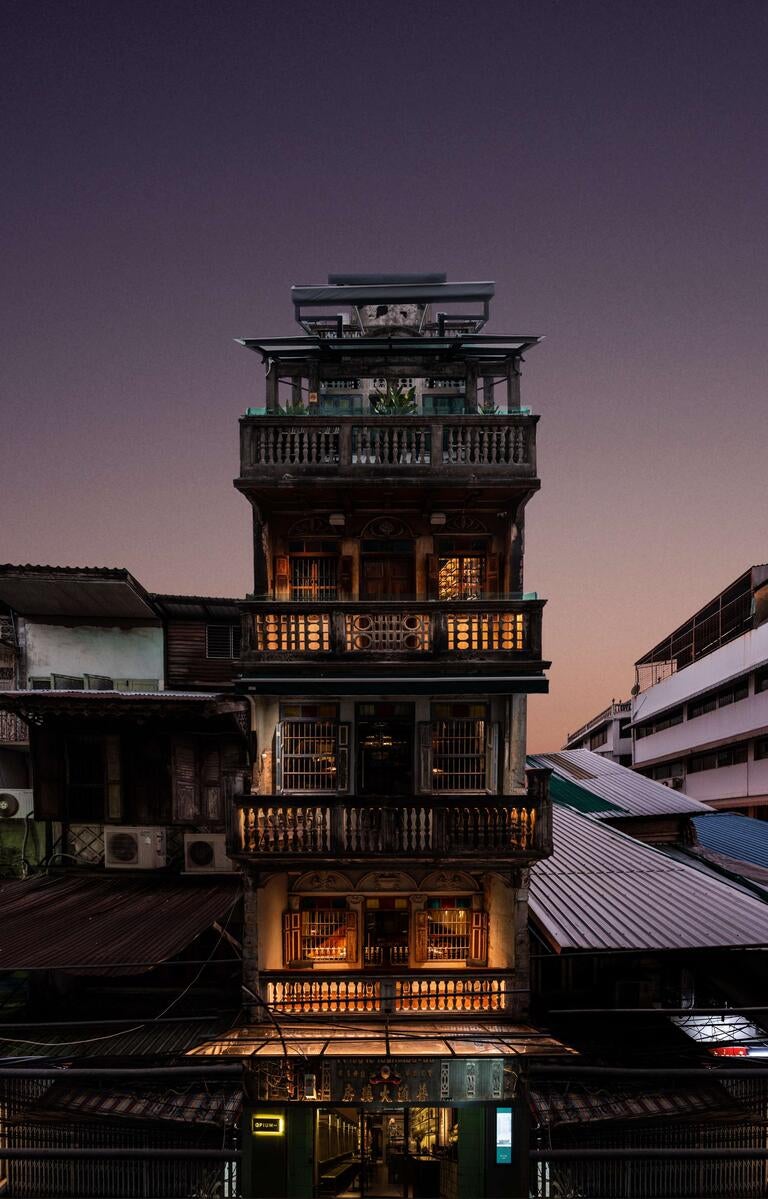
There are few places more charming to eat in the world than Potong, set across five storeys of an historic Sino-Portuguese Chinatown building that served as the Soontornyanakij family’s Chinese pharmacy from around 1910. The ground floor is lined with fermentation jars in a nod to the old dispensary, while the upper dining rooms, reached via a minuscule lift, feature preserved century-old wooden ceilings and an ancestral shrine. Chef Pichaya ‘Pam’ Soontornyanakij’s tasting menu may draw on the high-octane, Thai-Chinese street-food traditions of the surrounding area, yet is full of soothing, nourishing moments, like a deeply aromatic broth made with over 20 botanicals, served alongside a black-chicken crispy pastry. If only grandmothers’ herbal remedies always tasted this good.

Samrub Samrub Thai

With just six dining-room seats and 10 counter seats, there’s barely any boundary between the open kitchen and guests at Samrub Samrub Thai. The atmosphere is about as easygoing as a Michelin-starred restaurant can get, but don’t let chef Prin Polsuk’s mellow vibe fool you: the David Thompson protégé is a serious cook, and the restaurant also functions as an educational platform, reviving nearly forgotten Thai recipes from royal courts and rural households. That means you can expect rare, hyper-seasonal ingredients and dishes like stir-fried fermented pork jowl, goat satay, wild forest cardamom, bitter madan fruit and starchy local tubers like kloi (with menus rotating every two months). The great thing is it introduces you to a vast new world without being remotely intimidating. Set inside the childhood home of co-owner and partner Mint J Jarukittikun, her hosting feels entirely second nature.

Seasoning 36

There’s little ambiguity at Seasoning 36, as Chef Benz (Akadej Taechakaesaree) serves just a single table of six to eight per evening, four nights a week, in a residential home on Soi Sukhumvit. The concept centres on lom wong – the traditional Thai practice of gathering around to share, but guests can either opt for a contemporary tasting menu or family-style feasts tailored to their preferences. The food is plentiful and hearty, and may involve a spread of over 10 dishes, starting fresh with coconut milk salad with monkfish, and moving into rich rawaeng curry laden with lump crab or tender beef shank.

Wana Yook

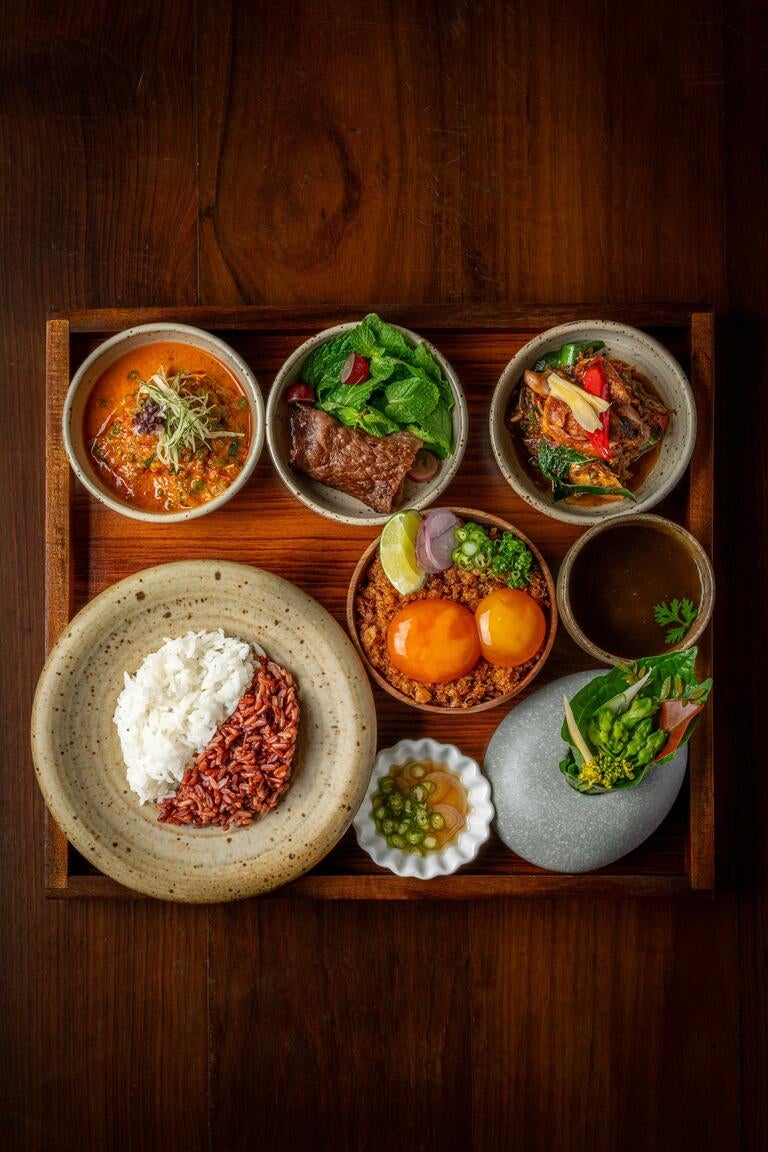
Set within a turn-of-the-century Sino-Portuguese residence in Ratchathewi, this Rama VI-era villa is one of the more elegant settings for dinner in Bangkok. Guests begin with welcome drinks in a relaxed downstairs lounge before moving upstairs to a moody, candlelit room, where chef Chalee Kader presents his refined take on khao gaeng, Thailand’s everyday curry-and-rice tradition. Nostalgic flavours are reimagined through modern techniques, leading to highlights like a signature khao soi bite and a lavish full khao gaeng tray (pictured) featuring Jasmine Wagyu, beef massaman with longkong fruit, fried chicken skin, and pickled mustard salad. With its high ceilings, louvred shutters and lantern-lit maze of intimate rooms, the layout unfolds like an elite home from a bygone era. 

Spread the flavour – share this story

Join the community
Badge
Join us for unlimited access to the very best of Fine Dining Lovers.
Unlock all our articles
Badge
Register now to continue reading and access all our exclusive stories.

Already a member? LOG IN